U.S. Supreme Court Set to Rule on Birthright Citizenship and Transgender Athlete Rights
The US Supreme Court prepares to rule on birthright citizenship and transgender athlete rights, potentially redefining American identity and LGBTQ+ protections.
A Pivotal Day for American Identity and Civil Rights
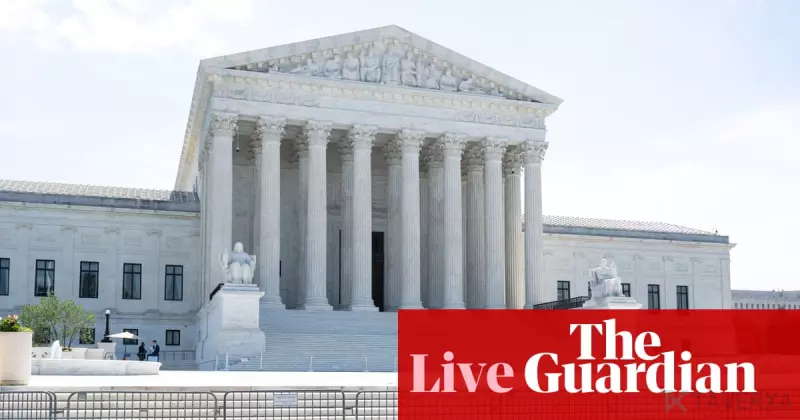
The United States Supreme Court is poised to deliver a series of rulings that could fundamentally reshape the definition of American citizenship and the scope of LGBTQ+ rights. At the center of the legal storm is a direct challenge to the 14th Amendment and the participation of transgender students in educational athletics, marking a critical junction in the ongoing ideological battle within the U.S. judicial system.
The Battle Over Birthright Citizenship
One of the most consequential decisions expected is regarding birthright citizenship. Under the 14th Amendment—a cornerstone of U.S. law passed after the Civil War to ensure the citizenship of formerly enslaved people—almost anyone born on U.S. soil is granted automatic citizenship. However, the Trump administration is attempting to dismantle this precedent through a presidential executive order aimed at withholding citizenship from children of undocumented immigrants and temporary visitors.
The administration argues that the current interpretation of the 14th Amendment is based on a legal misunderstanding. This move has already faced significant resistance, with several federal judges and circuit courts upholding injunctions to block the order, citing constitutional violations. Legal experts warn that a ruling in favor of the administration could be cataclysmic, potentially stripping citizenship from an estimated 250,000 babies born annually and creating a pathway to revoke the status of millions of existing citizens.
Transgender Athletes and the Ripple Effect on LGBTQ+ Rights
Simultaneously, the Court is weighing in on the rights of transgender girls to participate in school and college sports. The cases originate from Republican-backed laws in Idaho and West Virginia, which prohibit trans girls from competing in female athletic programs. While lower courts previously blocked these bans, the conservative supermajority of the Supreme Court now has the opportunity to uphold them.
Civil rights advocates, including the Human Rights Campaign, warn that this decision could serve as a legal gateway for more restrictive policies. A broad ruling against transgender athletes could empower lawmakers to restrict access to appropriate bathrooms, enforce rigid dress codes, and limit the use of chosen names and pronouns in educational settings, further marginalizing LGBTQ+ youth.
Expanding Presidential Power and Judicial Backlash
The current tension follows a controversial Monday ruling that expanded presidential authority, granting the president the power to fire the heads of certain independent agencies at will. This decision overturns a 1935 precedent designed to protect government agencies from political interference and corruption.
Justice Sonia Sotomayor blasted the decision as "egregiously wrong," predicting that "chaos will follow." While the court did provide some checks—ruling that the attempt to fire Federal Reserve Governor Lisa Cook was unconstitutional and rejecting changes to mail-in ballot rules—the overall trend suggests a significant shift toward increased executive power.
Other Notable Legal and Political Developments
Beyond these landmark cases, the court recently rejected Donald Trump's request to review a 2023 verdict regarding the sexual abuse and defamation of writer E. Jean Carroll. Meanwhile, the political landscape continues to shift with the nomination of Keith Sonderling as Secretary of Labor, who has already signaled a zero-tolerance policy for the waste of state administrative funds.