A Blueprint for a 'Rewired' Britain: Andy Burnham Unveils Radical Vision to Dismantle Westminster Centralism
Andy Burnham unveils a radical blueprint to transform the UK, featuring 'No 10 North', massive devolution of power, and a plan to fix the 'broken' political system.
A Paradigm Shift in British Governance
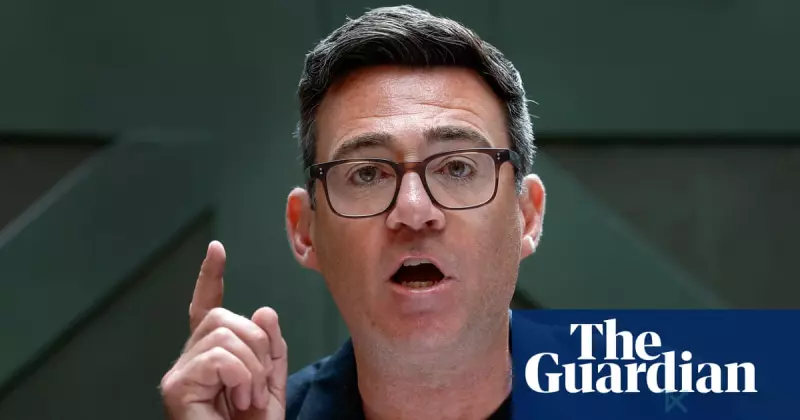
In a landmark address delivered at the People’s History Museum in Manchester, Andy Burnham has laid out a comprehensive and radical blueprint to transform the United Kingdom. Positioned as the likely successor to Keir Starmer, Burnham argued that the British political system is fundamentally "broken," asserting that mere personnel changes are insufficient. Instead, he called for a systemic overhaul—a "rebalancing of power" that he describes as the most significant in the country's history.
Burnham’s central thesis is that the disconnect between the governed and those in power has reached a critical point. By focusing on restoring faith in politics and aggressively tackling the cost-of-living crisis, Burnham aims to replace voter cynicism with a tangible sense of hope.
The 'No 10 North' Initiative: Decentralizing Power
The cornerstone of Burnham's political strategy is the creation of "No 10 North," a strategic hub designed to act as the nerve center for a rewired Britain. This initiative is not merely symbolic; it is intended to oversee the actual distribution of resources and decision-making power from the concentrated corridors of Whitehall to mayors and local authorities across the UK.
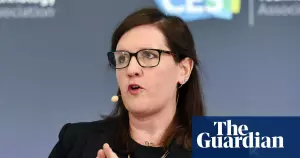
To ensure the success of this devolution, Burnham has tapped Caroline Simpson, the former chief executive of the Manchester combined authority, to lead the hub. Simpson will serve as his deputy chief staff, bringing the "Manchesterism" model—a blend of local autonomy and strategic growth—to a national scale. This move signals a direct challenge to the traditionally adversarial relationship between central government and regional administrations.
Economic Recovery and the Cost-of-Living Crisis
Recognizing that political trust is inextricably linked to economic security, Burnham proposed several aggressive measures to stabilize living standards:
- Public Control of Essential Services: A long-term goal to bring water, housing, energy, and transport back under public oversight to curb runaway costs.
- Housing Revolution: Launching the most ambitious council housing building program since the post-war era to address the chronic shortage of affordable homes.
- High Street Renaissance: Implementing a sweeping reform of business rates to revitalize local commerce.
- Fiscal Discipline: Despite his radical goals, Burnham reassured markets that he would adhere to the strict fiscal rules set by Rachel Reeves, ensuring that growth is backed by sound public finances.
Burnham also hinted at an immediate package of cost-of-living support upon taking office, stating, "People can’t wait forever for change... they need to be able to look forward to a night out or a holiday with the kids."
Education and Social Reform
Beyond economics, Burnham seeks to rebalance the UK's education system. He criticized the current over-reliance on university pathways, proposing a system where academic and technical courses are placed on an equal footing, thereby equipping the workforce with a more diverse and practical set of skills.
Redefining the Culture of Westminster
Burnham is not only proposing policy changes but a cultural shift within the heart of government. He expressed a desire to move away from the rigid "whipping system," suggesting that MPs should be allowed to act as authentic representatives of their constituents without the fear of political retaliation. Furthermore, he expressed an openness to collaborating with other political parties to find common ground on his ten-year plan for national transformation.
In a personal departure from tradition, sources indicate that Burnham intends to maintain his primary residence in Greater Manchester, using the flat at Downing Street only during the work week—a symbolic gesture reinforcing his commitment to the regions over the capital.
International and Domestic Reactions
The vision has already drawn international attention, with NATO Secretary General Mark Rutte expressing confidence that Burnham will maintain the alliance's long-term defense spending commitments. Domestically, the reaction has been split. While snap polling suggests agreement with Reform UK voters on utility control and devolution, Tory leader Kemi Badenoch warned of a "summer of chaos," claiming the economy is in limbo due to the lack of a formal transition.