Algeria's Pivotal Elections: A Litmus Test for Democracy in the Post-Hirak Era
Algeria holds a pivotal legislative election to determine its 407-member assembly. Explore the impact of the Hirak movement, political restrictions, and economic pressures on the vote.
A Nation at a Crossroads
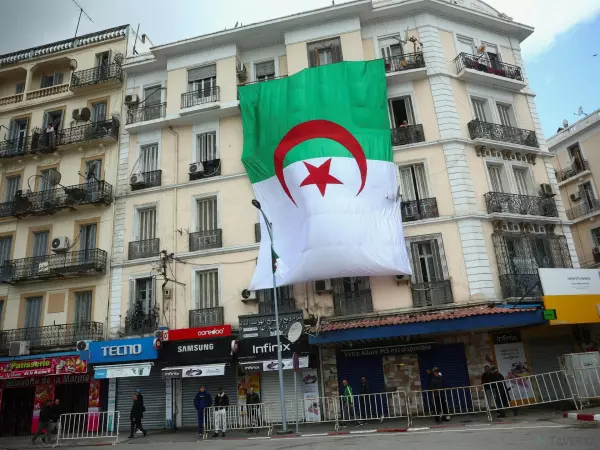
Algeria is preparing for a critical parliamentary election on July 2, which will determine the 407 members of the People’s National Assembly. Coming more than seven years after the historic 2019 Hirak protest movement, these elections are viewed by analysts and citizens alike as a fundamental test of the country's political trajectory. For a nation still grappling with the legacy of mass uprisings that ousted long-term President Abdelaziz Bouteflika, the vote is less about who wins and more about whether the Algerian public still believes in the formal political process.
According to the Independent National Authority of Elections (ANIE), approximately 24.7 million registered voters are eligible to cast their ballots, including a significant diaspora of 854,000 citizens living abroad. However, the atmosphere leading up to the polls is characterized by a mixture of cautious hope and profound skepticism.
The Shadow of the Hirak Movement
The Hirak movement was a watershed moment in Algerian history, signaling a public demand for systemic change and an end to the stagnation of the old guard. President Abdelmadjid Tebboune has positioned these upcoming elections as a cornerstone of his vision for a "new Algeria," claiming that the reforms enacted since 2019 have strengthened national institutions and ensured stability.
Conversely, critics and human rights organizations argue that the "new Algeria" is largely a rebranding of the old system. They point to the continued dominance of executive power and the marginal role of the parliament in actual law-making. The tension is palpable, as the government attempts to legitimize its authority through the ballot box while opposition figures claim the playing field remains uneven.
Tightening the Political Grip
One of the most contentious issues surrounding this election is the perceived shrinking of political space. Electoral authorities have confirmed that hundreds of candidates and multiple party lists were disqualified during the nomination process, citing strict eligibility rules and legal non-compliance. While the state frames these as necessary administrative measures, rights groups see them as a mechanism to filter out genuine dissent.
Prominent figures, such as Karim Tabbou, have become symbols of this struggle. Tabbou, a vocal critic of the current administration and a link to the Hirak spirit, has faced repeated arrests and legal restrictions, highlighting the precarious position of those who challenge the status quo from outside the approved party lines.
The Battle for the Assembly: Blocs and Boycotts
The election will utilize an open-list proportional representation system, allowing voters to select party lists while also indicating preferences for specific candidates. The political landscape is currently dominated by the National Liberation Front (FLN)—the historic party of independence—and its ally, the National Democratic Rally (RND).
However, the dynamics are shifting. While the FLN held 105 seats in the previous assembly, they face renewed competition from the Movement of Society for Peace (MSP) and various nationalist and Islamist lists. Interestingly, several parties that boycotted the 2021 elections—such as the Socialist Forces Front (FFS), the Workers’ Party (PT), and the Rally for Culture and Democracy (RCD)—have decided to participate this time. This shift suggests a strategic debate within the opposition over whether boycotting leads to irrelevance or if participation offers a slim chance at influencing policy.
Economic Anxiety as a Driving Force
Beyond the political maneuvering, the average Algerian voter is preoccupied with a harsh economic reality. Campaigns have leaned heavily into issues of purchasing power, housing shortages, and the desperate need for job creation. Despite government boasts of infrastructure projects funded by hydrocarbon revenues, inflation continues to erode the quality of life for many.
The youth, in particular, face a bleak labor market where opportunities outside the public sector are scarce. Moreover, Algeria's heavy reliance on oil and gas exports leaves its social spending programs vulnerable to the volatility of global energy prices, creating a fragile balance between state support and social unrest.
Conclusion: A Question of Legitimacy
As the official campaign concludes, the primary question remains: will the public return to the polls? In 2021, turnout plummeted to a mere 23 percent, reflecting a deep-seated disengagement. If turnout remains low, the government may achieve a stable parliament, but it will lack the popular mandate required to truly move past the ghosts of the Hirak era. If the public engages, it could signal a new chapter of civic participation—or a renewed confrontation with a system that resists fundamental change.
Related Posts