Africa’s Industrial Pivot: Breaking the Cycle of Raw Resource Extraction
African nations are moving to end the era of raw resource exportation, pushing for domestic beneficiation and regional industrialization to boost long-term growth.
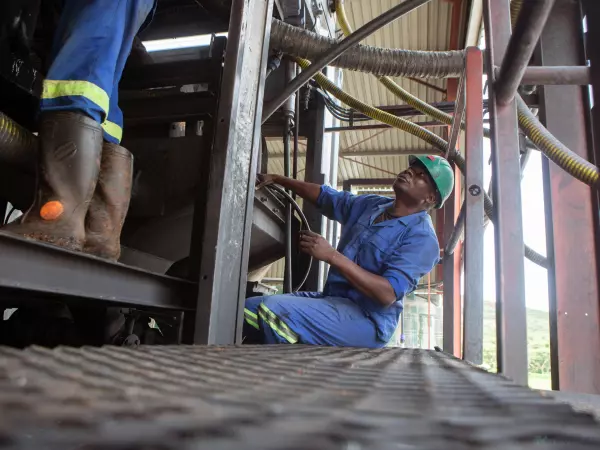
A profound shift is rippling through Africa’s economic landscape as nations move to reclaim control over their natural wealth. From Kenya to Namibia and Ghana, governments are fundamentally challenging the 'extractive bargain'—a colonial-era economic model that saw raw minerals shipped abroad for processing, only for finished products to be bought back at a premium.
The End of the Raw Export Model
For decades, African nations have been locked into a cycle of 'dig, ship, and buy back.' However, recent policy mandates are effectively ending this. Kenya’s recent moves toward securing critical mineral agreements that prioritize domestic refining, combined with Namibia’s export bans on raw lithium and cobalt, signal a continent-wide movement toward value-added industrialization. These policies aim to keep the economic benefits of refining and manufacturing within the continent, fostering a shift from mere extraction to high-value industrial production.
Seizing the Global Energy Transition
As the global race for minerals like lithium, graphite, and copper intensifies due to the EV and renewable energy boom, Africa holds a strategic advantage. With global demand for these minerals projected to surge, supply remains constrained. This scarcity grants African nations unprecedented leverage to negotiate for technology transfers and industrial investment. By keeping the refining process local, countries like Nigeria with its Dangote refinery, or Indonesia as a global reference point, show that beneficiation creates a robust ecosystem of engineering, chemical production, and skilled job creation.
Regional Integration as an Economic Engine
No single African nation can successfully compete in every link of the global supply chain, which makes the African Continental Free Trade Area (AfCFTA) a vital instrument for success. By pooling resources, expertise, and infrastructure across borders, African countries can create integrated industrial systems. This regional cooperation is the key to transforming mineral wealth into a sustainable, long-term driver of economic growth that transcends the lifespan of any single mining project.