Border Tensions Escalate: Pakistan Intercepts Afghan Drones Amid Reciprocal Air Strikes
Tensions surge as Pakistan intercepts four drones from Afghanistan while the Taliban claims air strikes in Balochistan. Read the full analysis of the escalating border conflict.
Rising Hostilities Along the Durand Line
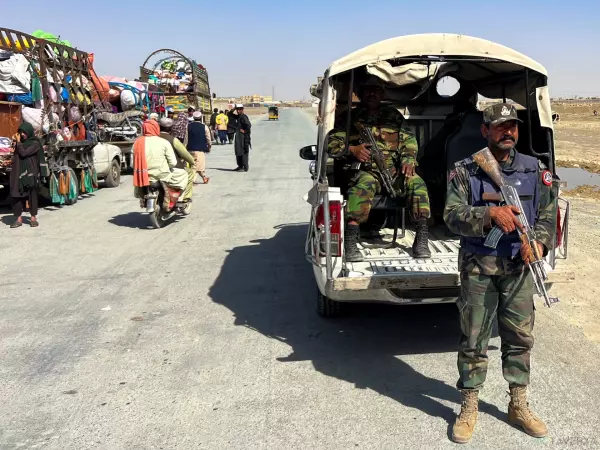
The volatile relationship between Pakistan and Afghanistan has reached a new flashpoint following a series of cross-border military engagements. In a recent escalation, the Pakistani military announced the interception of four rudimentary drones launched from Afghan territory, targeting the southern province of Balochistan. This incident marks the latest chapter in a deteriorating security situation that has seen both nations trade accusations of sovereignty violations and terrorism sponsorship.
Tactical Engagements and Air Defense
According to a statement released by Pakistan's military on Wednesday, the 'hostile aerial platforms' were swiftly detected and neutralized by the country's integrated air defense network. The Pakistani command warned the Afghan Taliban government that continued provocations would be met with a 'befitting response,' emphasizing that further incursions would carry a heavy cost for the Kabul-based administration.
Simultaneously, the Afghan defense ministry utilized the social media platform X to claim it had conducted its own 'air strikes' within Pakistan’s Balochistan and Khyber Pakhtunkhwa provinces. The Taliban government asserted that these operations successfully targeted members of an ISIL (ISIS) affiliate, framing the strikes as counter-terrorism measures rather than acts of aggression against the Pakistani state.
The Asymmetric Nature of the Conflict
Military analysts note a stark contrast in the capabilities of the two belligerents. While Pakistan possesses a sophisticated air force and advanced missile systems, the Taliban lacks conventional fighter jets and a fully operational air force. Instead, the Taliban has pivoted toward the use of low-cost, small-scale drones to project power and conduct targeted strikes along the porous border regions. This asymmetric approach allows them to challenge Pakistani security without the need for traditional aerial superiority.
A Cycle of Retaliation
The current skirmishes are not isolated incidents but are part of a retaliatory cycle. Earlier in the week, Pakistan conducted deadly air attacks in eastern Afghanistan, which Islamabad claimed were aimed at militant fighters. However, the Afghan government reported a grim toll, stating that at least 36 civilians were killed in those strikes. The Taliban vowed a response to these deaths, leading directly to the recent drone incursions and claimed air strikes in Balochistan.
Deep-Rooted Geopolitical Friction
The root of the conflict lies in a fundamental disagreement over regional security. Since the Taliban returned to power in Kabul in 2021, relations have remained fraught. Pakistan consistently accuses the Taliban of providing sanctuary to armed insurgent groups, most notably the Tehrik-i-Taliban Pakistan (TTP), which has waged a violent campaign against the Pakistani state for years.
Conversely, Afghan officials vehemently deny these claims, accusing Pakistan of harboring its own hostile groups and failing to respect the sovereignty of the Afghan state. With hundreds of casualties reported in cross-border fighting since February 2026, the region remains a powder keg, where tactical miscalculations could lead to a broader systemic conflict.
Related Posts