US Launches New Wave of Strikes on Iran Amid Rising Tensions
The US has launched a new round of strikes on Iranian targets in Bandar Abbas and Sirik following warnings from President Trump. Read the latest updates here.
Escalation in the Middle East
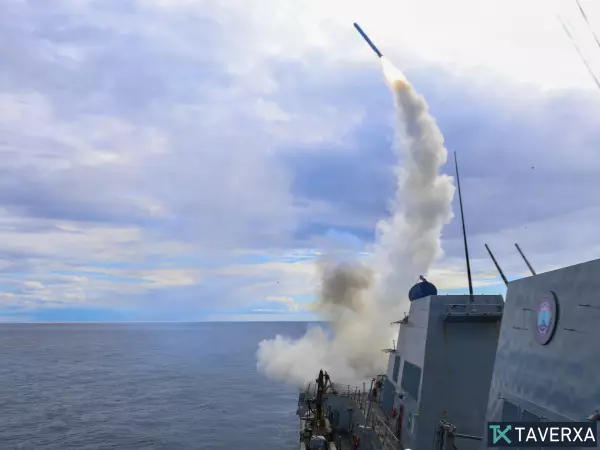
Tensions in the Middle East have reached a critical breaking point as the United States military, via Central Command (CENTCOM), has initiated a new round of targeted strikes against Iranian territory. Reports emerging from the region confirm explosions in the coastal cities of Bandar Abbas and Sirik, marking a significant escalation in the ongoing conflict.
President Trump's Stance
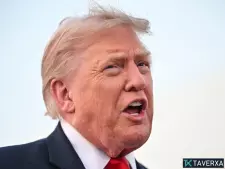
The military action follows a firm declaration from US President Donald Trump, who took to social media to signal a policy of severe retaliation. Trump stated, “Every time Iran kills an American soldier they will pay for that killing many times over,” underscoring a commitment to what the administration describes as a measured but forceful response to previous provocations involving the loss of American service members.
Diplomatic Channels Remain Open
Despite the overt military confrontation, channels of communication have not been entirely severed. Iranian spokesperson Baghaei confirmed that diplomatic exchanges between Tehran and Washington are continuing through third-party mediators. This suggests a complex landscape where military kinetic action is occurring simultaneously with behind-the-scenes attempts to prevent a full-scale regional war.
The Strategic Impact
Analysts are watching closely as the strikes coincide with high-stakes political developments in the United States, including upcoming primary speeches and intense debates over how the fallout of an Iran war might influence domestic electoral dynamics. The strategic significance of Bandar Abbas, a key port city, suggests the US is focused on degrading military assets and naval capabilities in the region. As the situation evolves, international observers remain on high alert for further retaliation and the potential for a wider destabilization of global energy corridors.