Leadership Shift in Gaza: Who is Khalil al-Hayya, the New Political Chief of Hamas?
Hamas has elected veteran negotiator Khalil al-Hayya as its new political chief. Discover more about his rise, his role in negotiations, and the implications for Gaza.
A New Era of Leadership for Hamas
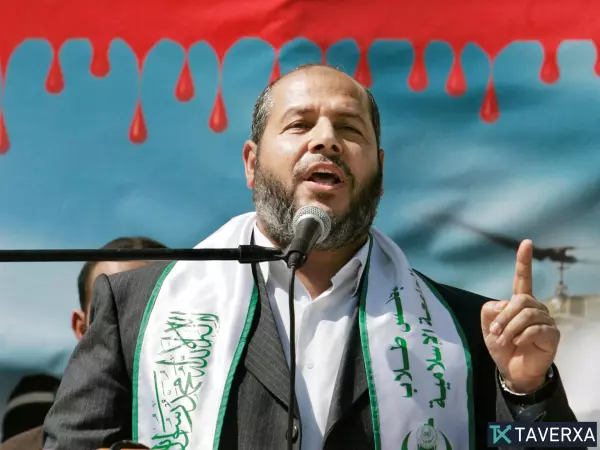
In a significant organizational shift, Hamas has officially announced the election of Khalil al-Hayya as the new head of its political bureau. This transition comes at a critical juncture for the movement, as it navigates intense military pressure and complex geopolitical negotiations. Al-Hayya, a veteran of the organization, steps into the role during a period of profound instability and grief, having recently lost his own son in an Israeli airstrike, further intertwining his personal tragedy with the broader struggle of the Palestinian people.
The Rise of a Veteran Negotiator
Khalil al-Hayya is not a newcomer to the upper echelons of Hamas power. He has long been recognized as one of the movement's most skilled and strategic negotiators. Over the years, al-Hayya has played a pivotal role in bridging the gap between the movement's military wing and its political objectives, often serving as a primary liaison in high-stakes talks involving regional mediators.
His ascent to the leadership of the political bureau suggests a desire within Hamas to maintain a steady hand in diplomacy while remaining steadfast in their core ideological goals. Al-Hayya's deep understanding of both the internal dynamics of Gaza and the external political pressures makes him a formidable figure in the ongoing conflict.
Strategic Implications for the Region
The appointment of al-Hayya is being closely watched by international observers, particularly in Egypt and the United States. Egypt has recently renewed its calls for a comprehensive ceasefire between Israel and Hamas, viewing a stable political leadership in Gaza as essential for brokering a sustainable truce.
Conversely, the United States has maintained a more restrictive stance, suggesting that lasting peace can only be achieved through negotiations between Israel and the Palestinian Authority. Al-Hayya's primary challenge will be to determine whether Hamas can leverage its political influence to secure concessions or if the movement will continue to operate on the periphery of the formal diplomatic process championed by Western powers.
Personal Loss and Political Resolve
The narrative of Khalil al-Hayya is currently defined by a stark contrast: the clinical nature of political leadership and the visceral pain of war. By losing his son to an Israeli airstrike shortly before ascending to the top post, al-Hayya embodies the lived experience of many Gazans. For Hamas, this adds a layer of perceived legitimacy and emotional resonance to his leadership, framing him not just as a bureaucrat, but as a leader who shares the sacrifices of his constituency.
Looking Ahead: The Path to Stability
As the new political chief, al-Hayya inherits a landscape of devastation. His immediate priorities are expected to center on the negotiation of hostage releases, the cessation of hostilities, and the reconstruction of Gaza's decimated infrastructure. Whether his veteran diplomacy can break the current deadlock remains the central question for the future of the region.