Can You Remove Stubborn Lawn Weeds During a Heatwave Without Damaging Your Grass?
Can you safely remove weeds during a heatwave? Learn why experts advise against chemical treatments in dry conditions and the best ways to protect your lawn.
The Dilemma of Weeding During a Heatwave
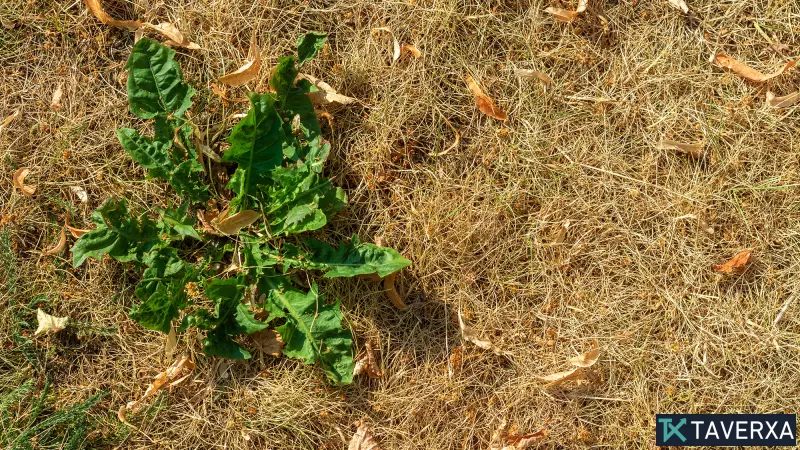
With intense heatwaves becoming increasingly common, many homeowners find their lawns suffering from the effects of prolonged dry spells. While your grass may be turning yellow, brown, or even entering a state of dormancy, weeds often remain persistent, green, and highly visible. It is tempting to seize the opportunity to clear these intruders, but doing so could be a recipe for disaster for your lawn.
Why You Should Avoid Chemical Weedkillers in Hot Weather
Lawn care experts advise against using herbicides during periods of drought or extreme heat. When grass is stressed due to lack of water, it is significantly more vulnerable to chemical damage. Applying weedkiller in these conditions can cause severe, lasting injury to the already fragile turf. Furthermore, most product labels specifically warn against application during drought because the chemicals cannot be absorbed efficiently, leading to ineffective results and potential long-term damage.
The Dangers of Misidentifying Stress
It is crucial to distinguish between simple drought stress and more severe lawn ailments like fungal issues or heat burn. To verify the health of your soil, experts suggest a simple test: use a garden spade to cut a small, deep wedge (about three inches) into the soil. If the earth is dusty and crumbly, the grass is suffering from a lack of water. If the soil remains dark and damp, there may be other underlying issues. Always confirm the cause of browning before taking drastic measures.
Safe Alternatives for Weed Removal
If you absolutely cannot stand the sight of weeds, the safest method is manual removal. By carefully pulling weeds by hand, you avoid introducing harsh chemicals to a stressed ecosystem. While this is more labor-intensive, it ensures the surrounding grass remains undisturbed, giving it the best chance to recover when rainfall eventually returns.
Best Practices During a Drought
Until normal weather patterns resume, it is best to hold off on most aggressive maintenance tasks such as heavy fertilizing, scarifying, or intensive aeration. Focus instead on light, regular mowing to prevent weeds from seeding, and if you are able to irrigate, use a wetting agent to ensure the water reaches the root zone. Patience is your greatest tool; wait until the soil is sufficiently moist and your grass is actively growing again before resuming full-scale lawn care treatments.