Hands-on with the Pixel Tag: One Critical Feature Outshines Apple's AirTag
We went hands-on with the new Google Pixel Tag and found one critical, persistent feature that makes it a better alternative to Apple's AirTag.
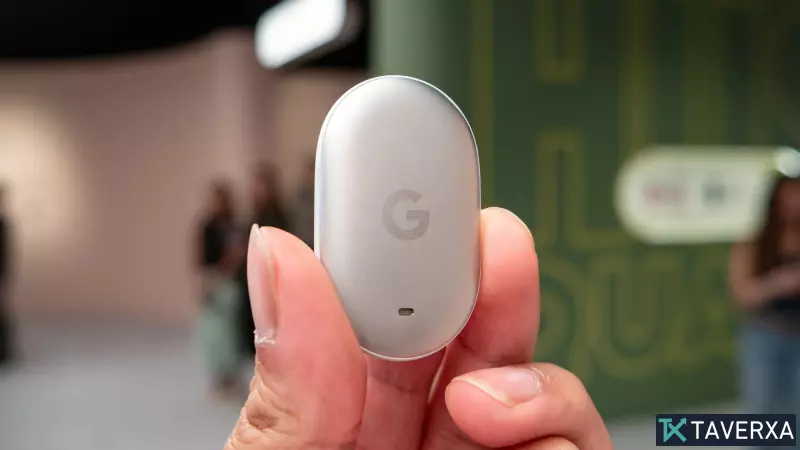
Google has officially entered the Bluetooth tracker market with its new Pixel Tag, a device poised to challenge Apple’s dominance in the personal tracking space. Designed as a direct competitor to the AirTag, the Pixel Tag brings several premium features to the table, but one, in particular, addresses a common pain point for users everywhere: battery maintenance.
The Problem with Traditional Trackers
Most Bluetooth trackers rely on replaceable coin cell batteries, typically the CR2032. While convenient, the standard experience often involves a single notification on your smartphone when the battery runs low. If that alert is missed or ignored, the device quietly dies, leaving the user unaware that their tracker is no longer functional until it is too late. In the heat of searching for lost keys or a wallet, discovering a dead tracker is incredibly frustrating.
The Pixel Tag Solution
Google has introduced a much more robust approach with the Pixel Tag. It employs a persistent notification system, sending reminders every two weeks as the battery reaches critical levels. This ensures that users cannot easily ignore or forget the maintenance requirement, essentially guaranteeing that the tag remains active when needed most. It is a simple yet vital quality-of-life improvement that elevates the device above existing market alternatives.
Beyond Battery Life: Key Advantages
While battery management is the standout feature, the Pixel Tag boasts other significant advantages:
- Two-Way Tracking: Unlike the AirTag, which primarily tracks items, the Pixel Tag features an integrated button that can ring your smartphone, making it easier to find your phone if it is misplaced.
- Slimmer Profile: With a thickness of only 5.4 mm, the Pixel Tag is significantly slimmer than the 8 mm AirTag, allowing for a much tighter fit inside thin card slots or wallet pockets.
- Precision Technology: The tag combines Ultra-Wideband (UWB) with Bluetooth Channel Sounding, providing reliable directional guidance and distance sensing through obstacles up to 50 meters away.
- Improved Sharing: Google’s Find Hub app allows users to share a single tag with up to 10 individuals, doubling the five-user capacity offered by Apple, making it ideal for shared household items.
Price and Availability
The Pixel Tag is set to launch on November 11, priced at $29 for a single unit or $99 for a 4-pack. By combining these smart hardware features with the reliability of the Google Find Hub, Google has created a compelling case for anyone looking to upgrade their personal item tracking setup.