The Human Cost of Conflict: Analyzing US and Iranian Casualties in the 2026 War
A comprehensive analysis of the US and Iranian casualties in the 2026 conflict, detailing the death tolls, identified soldiers, and the broader political impact.
Escalation and Loss in the Middle East
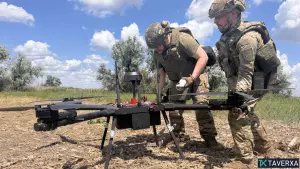
The volatile conflict between the United States and Iran has entered a devastating new phase, marked by a cycle of retaliation and a rising death toll. On Sunday, the US military confirmed the death of another service member in northern Iraq, bringing the total number of US military personnel killed since the outbreak of hostilities to 17. This latest casualty occurred during a high-risk operation involving the controlled detonation of unexploded ordnance from a downed Iranian attack drone.
The conflict, which ignited on February 28, saw the US and Israel launch coordinated strikes on Iranian soil, prompting immediate Iranian retaliation against US assets in the Gulf. What began as a series of strategic strikes has evolved into a protracted war of attrition with significant human costs on both sides.
Timeline of US Casualties: From Early Strikes to Current Crossfire
The US military's losses have occurred in distinct phases. During the first phase of the war, prior to a short-lived memorandum of understanding (MoU) on June 17, 13 combat-related deaths were confirmed. This period included a tragic accident in early March where six crew members perished when a US refueling aircraft crashed in western Iraq.
Despite a 60-day negotiation period intended to foster peace talks, hostilities flared again on July 7. This latest wave of violence has seen the US conduct nine consecutive nights of attacks against Iranian targets. Iran has responded with ballistic missile strikes, notably targeting US transport planes at Aqaba airport in Jordan. These recent engagements resulted in the deaths of two more service personnel in Jordan, with a third currently listed as missing in action.
Honoring the Fallen
The Department of Defense has begun releasing the names of those killed, putting faces to the statistics. Among the recently fallen are 25-year-old Tyler James Feehan and 19-year-old Isabella Gonzales, both killed during attacks in Jordan. Earlier losses include Air Force personnel John Klinner, Ariana Savino, Ashley Pruitt, Seth Koval, Curtis Angst, and Tyler Simmons, as well as others killed during unmanned aircraft system attacks in Kuwait and Saudi Arabia, including Cody Khork, Noah Tietjens, Nicole Amor, Declan Coady, Jeffrey O’Brien, Robert Marzan, and Benjamin Pennington.
The Devastating Toll Within Iran
While US casualties are measured in the dozens, the scale of loss within Iran is exponentially higher. According to Iran’s Health Ministry, at least 50 people were killed and 500 injured in US strikes during July alone.
The period leading up to the June MoU was particularly bloody. Reports indicate that at least 3,468 people were killed in US-Israeli attacks on Iran. The demographics of these casualties highlight the widespread impact on civilians, including 496 women, 376 older children, and seven infants. Furthermore, over 26,500 people were injured, including thousands of women and children.
Beyond civilian losses, the war has decapitated portions of the Iranian leadership. Confirmed deaths include Supreme Leader Ayatollah Ali Khamenei, security chief Ali Larijani, and Basij paramilitary commander Gholamreza Soleimani, alongside several other high-ranking military commanders.
Political Fallout and Domestic Sentiment
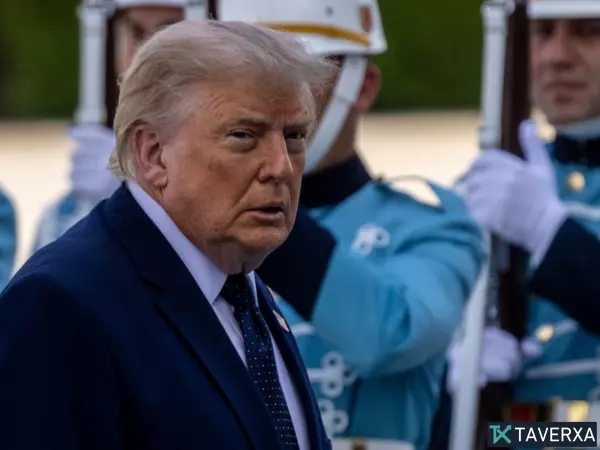
President Donald Trump has maintained a hardline stance, vowing to hit Iran "very hard" to honor the fallen soldiers and reiterating that the US will never allow Iran to possess a nuclear weapon. However, this aggressive posture faces scrutiny at home. A recent Reuters/Ipsos poll revealed that only about 25% of Americans believe the war is worth its costs, with a majority expressing deep concern over the resulting economic instability and security risks.
Comparative Analysis: How This War Measures Up
When compared to the long-term conflicts in Iraq (2003–2011) and Afghanistan (2001–2021), the current death toll is significantly lower. Iraq saw over 4,400 US deaths over nearly a decade, and Afghanistan saw over 2,400. However, compared to previous aerial-centric campaigns in Kosovo (1999) and Libya (2011)—where combat fatalities from enemy fire were rare—the current conflict represents a much higher level of direct risk to US personnel.