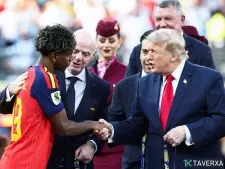
The Great Dichotomy: World Cup 2026 Blends On-Pitch Brilliance with Off-Field Injustice
Explore the contradiction of World Cup 2026: while the football is brilliant and high-scoring, systemic visa injustices and corporate greed haunt the event.
A Tale of Two Tournaments
As the World Cup 2026 advances into the high-stakes knockout stages, the global community finds itself grappling with a profound contradiction. On one hand, the tournament has delivered some of the most exhilarating football in recent memory. On the other, it has been marred by systemic injustices, diplomatic failures, and a blatant disregard for the fans who make the sport possible. This duality creates two competing realities: the romanticized spectacle of the 'beautiful game' and the grim reality of geopolitical and corporate indifference.
The Sporting Triumph: Goals, Drama, and Expansion
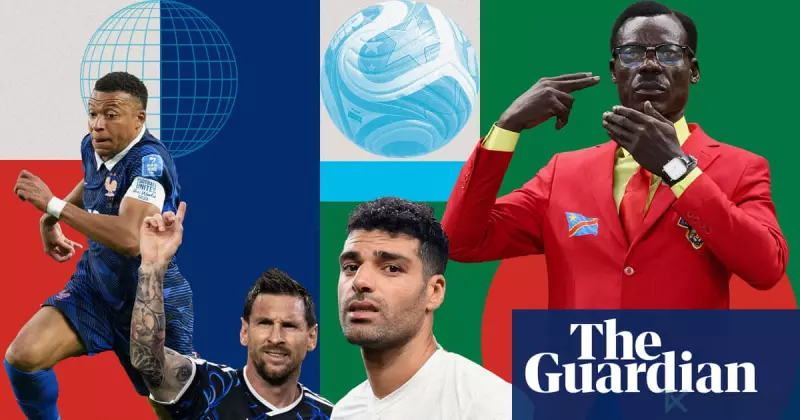
From a purely athletic perspective, the 2026 tournament has been a resounding success. The expanded format, while controversial to some, has breathed new life into the competition. The inclusion of teams like the Democratic Republic of the Congo (DRC) and Cape Verde has added fresh narratives and unexpected quality to the group stages. The DRC, in particular, emerged as a clear asset, proving that widening the net of qualification can enhance the global appeal of the event.
The statistics reflect this excitement, with an average of 2.99 goals per game during the group stage. If this scoring rate holds through the knockouts, this would be the highest-scoring World Cup since 1958. Superstars have lived up to their billing; Lionel Messi has led the charge with five group-stage goals, while Kylian Mbappé, Erling Haaland, Vinícius Júnior, and Ousmane Dembélé have each netted four, ensuring the commercial and sporting viability of the event.
The drama has been palpable, highlighted by Ecuador's stunning victory over Germany and the chaotic, baffling injury-time sequences in the clash between Algeria and Austria. For the first time in years, the atmospheric mobilization of fans—from the Scots in Boston to the Colombians in Guadalajara—has felt authentic and vibrant, contrasting sharply with the sanitized experience of previous iterations.
The Dark Side: Visas, Nationalism, and Exclusion
However, the brilliance on the pitch cannot mask the systemic failures off it. The tournament has been haunted by a restrictive immigration climate that stands in direct opposition to FIFA President Gianni Infantino’s claim that this is the "most inclusive World Cup of all time." Reports indicate that the US and Canada rejected over 80% of visa applications from specific nations, effectively barring thousands of fans and journalists from attending.
The human cost of these policies is stark. Michel Nkuka Mboladinga, the DRC’s most iconic superfan, was restricted to games in Mexico, while Senegal’s official photographer was denied entry into Canada. Even European fans were not exempt, with hundreds of Scottish supporters seeing their ESTA authorizations revoked at the eleventh hour. These barriers undermine the very essence of a 'World' Cup, transforming a global celebration into a selective gathering based on passport power.
Furthermore, the treatment of the Iranian national team has been described as "outrageous." Forced to switch training camps and operate without their full backroom staff due to punitive travel restrictions, Iran’s ability to remain unbeaten through the group stage is a testament to their resilience rather than the fairness of the competition.
Corporate Greed and the Erosion of Fan Culture
Beyond the borders and visas, the 2026 World Cup has signaled a shift toward a purely profit-driven model. The traditional supporter culture is being dismantled in favor of "quick profit." Sky-high ticket prices and exploitative costs for basic necessities, such as water within the stadiums, have made the event inaccessible to the working-class fans who historically provide the tournament's soul.
There is a growing sense that loyalty is no longer rewarded. By pricing out the regular fans, FIFA and its hosts risk creating a sterile environment where the atmosphere is manufactured rather than organic. This trend sets a dangerous precedent for future hosts, such as Saudi Arabia in 2034, suggesting that host nations need not facilitate the travel of the global community if the corporate bottom line is met.
Conclusion: The Enduring Resilience of Football
Ultimately, the World Cup is a resilient machine. It has survived authoritarian regimes, corruption scandals, and the exploitation of migrant workers. It is likely to survive the injustices of 2026 as well, because the football is simply too good to ignore. Yet, the parallel tracks of the tournament—the sporting glory and the political shame—remind us that while we can celebrate the goals, we must not forget the people left behind at the border.