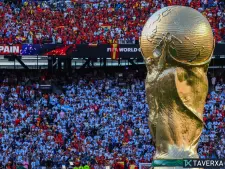
A Tournament of Contradictions: Reflections on the 2026 World Cup
An in-depth analysis of the 2026 World Cup, exploring the triumph of Spain, the impact of political tensions in the US, and the commercial shifts in the sport.
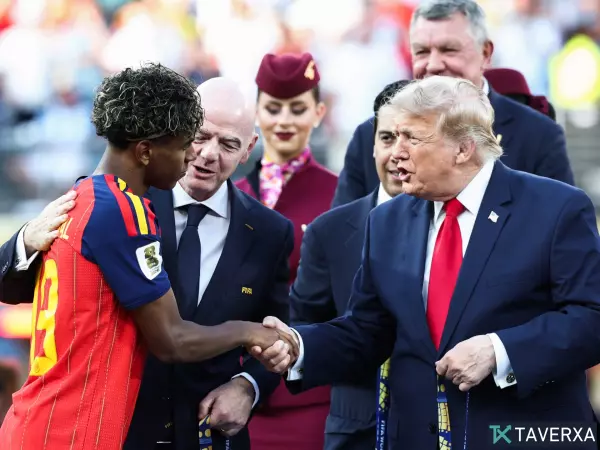
The 2026 World Cup concluded with Spain ascending to the pinnacle of global football, defeating reigning champions Argentina in a final that will be remembered as much for its political spectacle as for its athletic excellence. As Spanish captain Rodri hoisted the trophy, the image was momentarily overshadowed by the presence of US President Donald Trump, highlighting the deeply polarizing nature of this year's tournament.
A Divisive Yet Diverse Sporting Landscape
The 2026 edition was a mosaic of experiences. While fans in cities like Kansas City and Boston celebrated the spirit of the game, the tournament was marred by intense political friction. The Trump administration's strict immigration policies led to visa denials for officials, including Somali referee Omar Artan, and created an inhospitable environment for the Iranian national team. These incidents sparked debate about the integrity of hosting global events in increasingly volatile political climates.
The Americanization of Football
FIFA’s decision to bring the World Cup to North America introduced a series of commercial adaptations that polarized traditionalists. From mandated hydration breaks serving as broadcasting slots for advertisements to the introduction of championship-style rings, critics argued these changes felt like an attempt to 'Americanize' the sport. Furthermore, the prohibitive cost of tickets—ranging from hundreds to hundreds of thousands of dollars—created a significant barrier, largely excluding the working-class supporters who traditionally define the game's culture.
Moments of Magic Amidst the Controversy
Despite the structural and political criticisms, the football itself remained transcendent. Teen sensation Lamine Yamal emerged as a global superstar, while legends like Lionel Messi proved that elite talent knows no age. Cinderella runs by nations such as Cape Verde and a deep tournament performance by Norway demonstrated the beautiful unpredictability of the sport. Ultimately, the 2026 World Cup served as a microcosm of our modern era: a high-stakes, globally televised stage where the pure joy of the 'beautiful game' constantly battles against the backdrop of geopolitical agendas and commercial interests. As the curtain falls, the legacy of this tournament remains debated, proving that football is far more than just a 90-minute competition.