Strait of Hormuz Tensions Surge as US Launches Ninth Consecutive Night of Strikes on Iran
The US launches its ninth night of airstrikes against Iran amid escalating tensions in the Strait of Hormuz and reports of retaliatory strikes on US allies in Kuwait and Jordan.
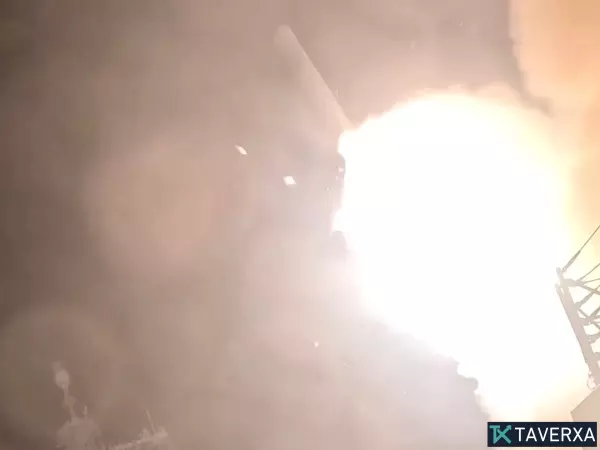
The regional conflict between the United States and Iran has reached a critical inflection point as American forces conducted their ninth consecutive night of airstrikes across Iranian territory. The sustained aerial campaign, aimed at dismantling Iranian military infrastructure, follows the deaths of three US service members, further destabilizing a region already reeling from months of combat.
Strategic Strikes and Military Targets
According to US Central Command (CENTCOM), the latest operations were specifically calibrated to neutralize capabilities threatening international maritime security in the Strait of Hormuz. US forces targeted a wide array of military assets, including coastal surveillance outposts, air defense systems, command-and-control centers, and missile launch sites. Local reports confirmed intense explosions in various regions, spanning from the southern port cities of Chabahar and Jask to the northern industrial hub of Tabriz, signaling a widening theater of operations.
Retaliation and Regional Escalation
Iran’s Islamic Revolutionary Guard Corps (IRGC) has vowed a robust response, moving beyond mere condemnation to active military engagement. Tehran reported that its own missile units launched retaliatory strikes directed at US-allied facilities in Kuwait and Jordan. The IRGC claimed significant damage to hangars at Jordan’s Muwaffaq Salti airbase and various assets at the Ali Al Salem airbase in Kuwait. These maneuvers have effectively brought neighboring nations directly into the crossfire, increasing the risk of a wider regional conflagration.
The Battle for the Strait of Hormuz
The Strait of Hormuz has become the epicenter of this confrontation. Washington is currently enforcing a strict naval blockade, which it describes as a necessary measure for maritime safety. Conversely, Iranian authorities have declared the waterway 'unsafe' for vessels operating under what they deem as US-coerced mandates. The situation worsened significantly when the IRGC reported that two oil tankers suffered catastrophic failures after being forced into what Tehran termed an 'unsafe corridor' by US naval assets.
Diplomatic Hurdles
President Donald Trump, addressing the media upon his return from the World Cup final, framed the military actions as a solemn duty to honor fallen American patriots. While maintaining a hardline stance against Iran’s nuclear ambitions, the administration faces growing pressure to navigate a path that prevents global economic collapse. US Secretary of State Marco Rubio has signaled a conditional openness to diplomacy, though he maintains that any such agreement must be substantive, urging international partners to contribute more significantly to the security of regional shipping lanes.
Humanitarian and Global Impact
The ongoing hostilities, which date back to late February 2026, have resulted in a devastating human toll, with thousands of casualties reported primarily in Iran and Lebanon. Beyond the immediate loss of life, the conflict has severely disrupted global energy supply chains, sparking widespread fears of prolonged inflation and economic instability as power blackouts hit civilian populations across Iran during a punishing heatwave.