Post-Tournament Analysis: Five Defining Lessons from the 2026 FIFA World Cup
Spain has won the 2026 FIFA World Cup. We break down the five key takeaways from the tournament, including the impact of the 48-team format, controversial rule changes, and the future of football in North America.
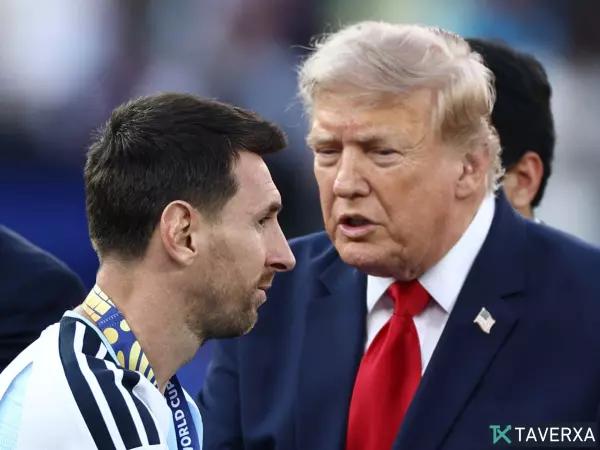
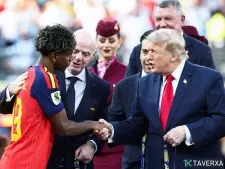
The 2026 FIFA World Cup has concluded with Spain claiming the championship after a hard-fought victory over Argentina in the final. As the dust settles on what was the most expansive tournament in football history, the sporting world is left to digest several critical developments that occurred both on and off the pitch. From the impact of a 48-team format to the controversial intersection of global politics and sports, here are five key takeaways that will shape the future of the beautiful game.
The 48-Team Format: A Success Story?
While initial skepticism surrounded the expansion to 48 teams, the 2026 edition proved that the competitive gap between elite nations and underdogs has narrowed significantly. The tournament provided a platform for debutants like Cape Verde to challenge established powerhouses, enriching the competition with diverse storylines. As FIFA looks toward a potential 64-team format for 2030, the overwhelming consensus is that the increased participation has been a net positive, providing more opportunities for growth without compromising the integrity of the knockout stages.
The Debate Over Hydration Breaks
Temperatures reached record levels during the tournament, necessitating frequent hydration breaks. While medical professionals argued they were essential for player safety, fans often perceived them as intrusive marketing tools for broadcasters. The challenge for future tournaments is finding a balance between player welfare and maintaining the natural, fluid rhythm of match play.
Regulatory Consistency and the Balogun Case
Perhaps the most contentious moment of the 2026 competition was the suspension of the red card issued to US forward Folarin Balogun. Following intervention from US President Donald Trump, the decision created a dangerous precedent that sparked widespread criticism from football associations and industry experts. FIFA faces intense pressure to ensure that tournament regulations remain objective and are never again subjected to political interference.
Curbing the 'Dark Arts'
Argentina’s tactical reliance on aggressive play and time-wasting tactics in high-stakes matches has reignited the conversation regarding the 'dark arts' of football. Many analysts, comparing the current era to the standards held by legendary referees like Pierluigi Collina, are calling for more stringent officiating to ensure that technical skill, rather than physical intimidation or gamesmanship, defines the outcome of matches.
The Future of North American Football
As co-hosts, the United States, Canada, and Mexico have left a complex legacy. While Canada and Mexico demonstrated deep-rooted footballing passion and growth, the US continues to navigate the challenge of fully integrating soccer into its national sports landscape. For the American market to mature, experts suggest that a homegrown superstar capable of leading a national team to glory may be the final piece of the puzzle to truly ignite the passion of the local audience.