Post-Islamabad MoU: Analyzing the Escalating Conflict Between the US, Iran, and the Gulf
Explore the breakdown of the Islamabad MoU and its impact on the US, Iran, and the Gulf, focusing on economic instability, military escalation, and diplomatic deadlock.
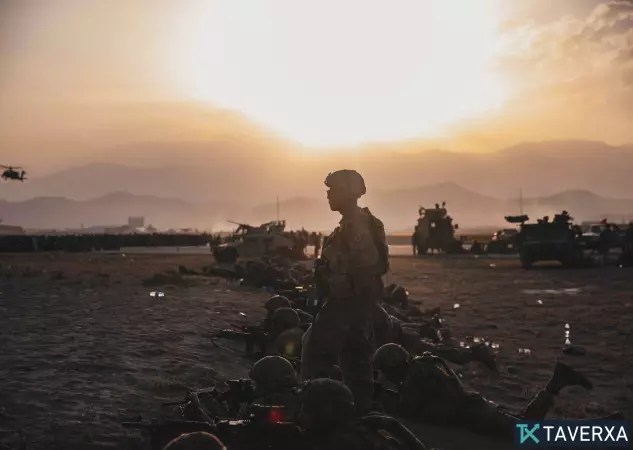
In a dramatic reversal of diplomatic progress, the fragile peace established by the Islamabad Memorandum of Understanding (MoU) signed on June 17, 2026, has completely collapsed. The breakdown has triggered a violent surge in hostilities, characterized by nine consecutive nights of US aerial strikes against Iranian defense infrastructure and retaliatory measures from Tehran that have sent shockwaves across the Middle East. With the Strait of Hormuz—the global economy's critical maritime artery—shut down once again, the region faces its most severe crisis in modern history.
The Economic Fallout
The closure of the Strait of Hormuz has essentially acted as a 'kill switch' for global energy trade, directly impacting the Gulf Cooperation Council (GCC) states. Economic analysts highlight that beyond the immediate spike in crude oil prices, the persistent conflict threatens long-term regional diversification strategies. Tourism, logistics, and real estate are suffering as investors lose confidence in the stability of the Gulf. Meanwhile, in Iran, the renewed US naval blockade has crippled export capabilities, exacerbating an already dire inflationary environment. The Iranian rial has plummeted to historic lows, and the Tehran Stock Exchange continues to sustain significant losses.
Escalating Military Tensions
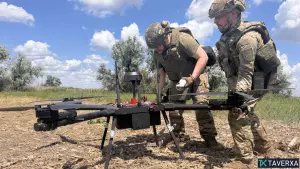
The human cost of the conflict has risen sharply, with 17 US service members reported killed since the commencement of the US-Iran war. The violence has moved beyond traditional military targets; both sides are now trading accusations of hitting civilian infrastructure. Iran claims that US strikes have decimated power plants, bridges, and desalination facilities, while the US asserts its actions are limited to degrading Iran's military and surveillance capabilities on its southern islands. The deployment of interceptors by Gulf nations and Jordan has become a daily necessity as the regional security architecture faces unprecedented strain.
The Shift in Diplomatic Outlook
Perhaps the most significant consequence of the collapsed MoU is the profound decline in diplomatic optimism. Regional stakeholders, including Qatar, continue to advocate for de-escalation; however, experts from institutions like Chatham House suggest that the appetite for a new, lasting deal is at an all-time low. As Washington reinforces its stance that it maintains control over the Strait of Hormuz, Tehran remains equally resolute in using its leverage over the waterway as a primary bargaining tool, regardless of the economic domestic cost. As the conflict intensifies, analysts argue that the path back to the negotiating table remains obstructed by deep-seated distrust and the current cycle of tit-for-tat violence.