Lebanese Armed Forces Begin Security Pilot in Southern Villages Amidst Heightened Tensions
Lebanon's military begins a pilot security takeover in three southern villages as part of a US-mediated framework, despite ongoing tensions and regional instability.
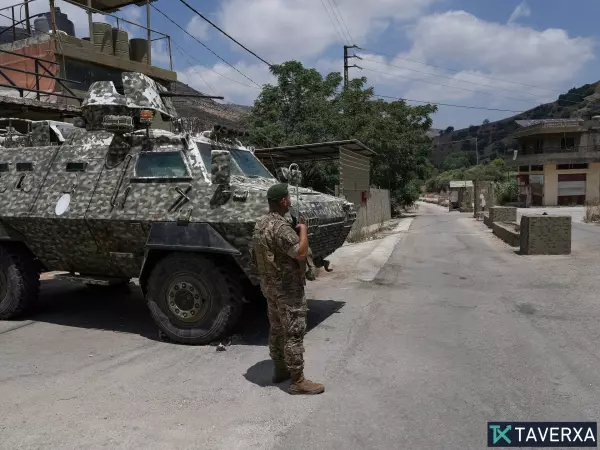
The Lebanese military has officially initiated a 'pilot zone' security operation in southern Lebanon, marking the first tangible step in a broader US-mediated framework agreement aimed at stabilizing the volatile border region between Lebanon and Israel. The initiative focuses on three specific villages: Froun, Srifa, and Zawtar al-Gharbiya.
The Mechanics of the Agreement
The framework, finalized on June 26 following extensive negotiations in Rome, envisions a phased withdrawal of Israeli forces from occupied territories in southern Lebanon. Once these areas are vacated, the Lebanese Armed Forces are tasked with establishing security, maintaining order, and ensuring that no armed infrastructure belonging to Hezbollah remains in these liberated zones. The United States State Department has emphasized its commitment to seeing this framework through to a successful conclusion.
Skepticism on the Ground
Despite official declarations from Washington, the situation on the ground remains complex. Local leadership and security sources have expressed significant skepticism regarding the efficacy of the immediate transition. Mayors from the affected towns have reported no meaningful change in the security landscape, with some noting that the Lebanese military has maintained a presence in these areas throughout the ongoing conflict. Furthermore, there is no clearly defined timeline for the Israeli withdrawal, which continues to complicate the logistical deployment of Lebanese forces.
Regional Context and Humanitarian Crisis
The broader conflict, which intensified in March following the death of Iran’s Supreme Leader Ali Khamenei, has resulted in a devastating humanitarian impact. Statistics from Lebanon’s Ministry of Public Health indicate over 4,300 fatalities and more than one million displaced persons since the escalation began. While the pilot program is intended as a confidence-building measure, it faces stiff opposition from Hezbollah, which has rejected the agreement, arguing that the presence of foreign forces in Lebanon is an infringement on sovereignty. As diplomatic efforts continue, the path toward a comprehensive cessation of hostilities remains fragile and fraught with uncertainty.