Iran’s Supreme Leader Calls for ‘Sacred Unity’ Amid Internal Political Strife and US Conflict
Iran's Supreme Leader Mojtaba Khamenei calls for national unity as internal political tensions and ongoing military conflict with the US reach a boiling point.
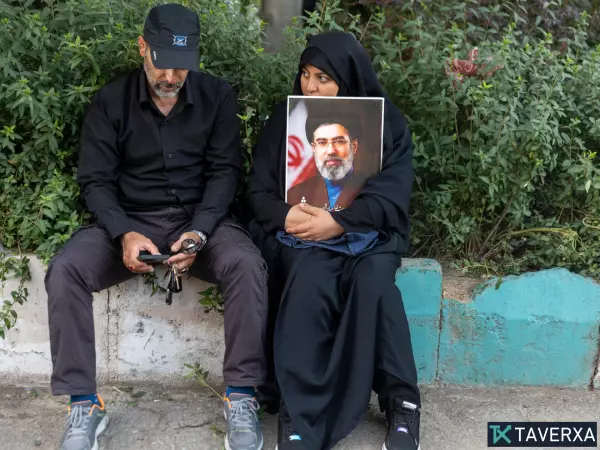
As the conflict between Iran and the United States enters a volatile new phase, Supreme Leader Mojtaba Khamenei has issued a stern call for national cohesion. Amid eight consecutive nights of intense military exchanges, the Iranian leader emphasized that maintaining 'sacred unity' is a fundamental imperative for the survival of the state, urging officials and the public to set aside internal political divides.
A Divided Front
The call for unity follows weeks of heightened friction within Iran's political landscape. Earlier this year, a memorandum of understanding (MoU) signed with the US sparked widespread backlash among hardline factions of the government. Critics, including vocal lawmakers and street protestors, went so far as to label the administrative handling of the agreement as 'treason.' The controversy was further exacerbated when classified materials were leaked on live television by dissenters aiming to discredit the negotiation process.
Defying External Pressures
In his latest directive, Khamenei stressed that Iran’s adversaries—specifically the US and Israel—must not be given any reason to perceive internal weakness. While acknowledging that he personally held reservations regarding the now-suspended MoU, he underscored that it is the duty of all institutions, including the judiciary and the parliament, to support the government during this 'historic juncture.'
Military and Diplomatic Response
In response to the Supreme Leader’s guidance, Iran’s military and political leaders have pledged to present a united front. Ali Abdollahi, the head of the wartime joint command, reiterated that the armed forces are committed to national cohesion, even as they prepare for a 'decisive and destructive response' to ongoing US strikes that have targeted Iranian infrastructure, including petrochemical plants and transport systems.
Meanwhile, Foreign Minister Abbas Araghchi continues to maintain that a negotiated end to the conflict remains the preferred path, even as tit-for-tat strikes across the Strait of Hormuz show little sign of abatement. As Iran navigates this multi-front challenge, the leadership’s focus remains locked on preventing the political infighting from compromising its broader defensive and diplomatic strategies.