Iran Celebrates Spain's World Cup Triumph as Victory Against US and Israeli Influence
Iran has hailed Spain's 2026 World Cup victory as a symbolic win for critics of US and Israeli policies, highlighting the intersection of international politics and sports.
A Political Victory Beyond the Pitch
The 2026 FIFA World Cup final, which saw Spain emerge victorious against Argentina, has transcended the boundaries of sports, becoming a focal point of intense geopolitical discourse. Iranian officials have publicly lauded Spain's 1-0 win, characterizing it as a symbolic triumph for nations critical of United States and Israeli policies.
The Intersection of Sport and Diplomacy
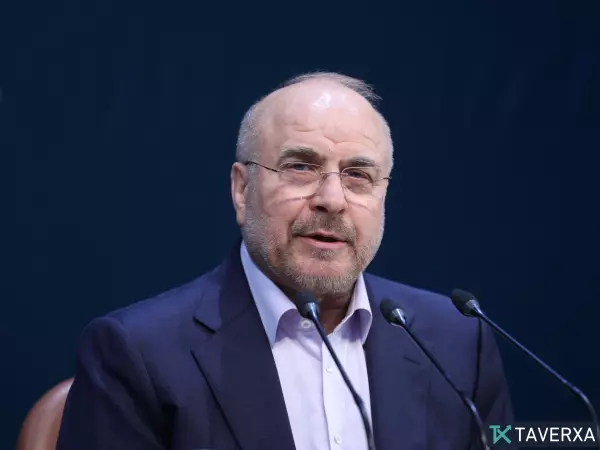
Following the match, Iranian leadership highlighted the alignment between Spain’s recent diplomatic stance and global public sentiment. Iran’s top negotiator, Mohammad Bagher Ghalibaf, stated that the Spanish national team's performance resonated deeply with those opposing the ongoing conflict in Gaza and criticizing the US-Israel military coalition. Ghalibaf praised the Spanish side for what he termed an embodiment of 'freedom and assertiveness,' suggesting that the team’s success serves as an inspiration for justice-loving nations worldwide.
Stark Contrast in International Support
The match served as a stark reflection of the deep-seated political divisions currently shaping international relations. While Tehran celebrated the Spanish victory, Israeli politicians and segments of the global football community threw their support behind Argentina. This alignment was largely attributed to the vocal stance of Argentinian President Javier Milei, who has emerged as a firm and consistent ally of Israeli policy in the region.
Official Iranian Response
Beyond Ghalibaf’s remarks, the Iranian Ministry of Foreign Affairs echoed these sentiments. Spokesman Esmaeil Baghaei noted that the Spanish team's behavior and the Spanish government’s broader criticism of aggression and genocide in recent months have been viewed with significant favor by Tehran. The praise underscores a growing trend where international sporting events are increasingly utilized as platforms for signaling geopolitical solidarity and voicing opposition to perceived state-sanctioned violence.