Google Pixel 11 Series Hands-On: Which Model Should You Actually Buy?
Hands-on review of the Google Pixel 11, Pixel 11 Pro, and Pixel 11 Pro XL. Discover the specs, Tensor G6 performance, and why the Pixel 11 Pro is the best value.
The Next Generation of Pixel has Arrived
Google has officially unveiled its latest hardware lineup, maintaining the successful trio strategy with the launch of the Pixel 11, Pixel 11 Pro, and Pixel 11 Pro XL. While all three devices inherit the refined design language of the previous generation, they introduce a monumental shift under the hood: the Tensor G6 chip. Built on a cutting-edge 2-nanometer process, this chipset is designed to tackle the efficiency and performance gaps that have historically plagued Google's custom silicon.
Across the board, Google has integrated Pixelsnap magnetic wireless charging, improved IP68 durability, and a suite of Gemini-powered AI tools. However, these upgrades come with a cost—each model has seen a $100 price increase, reflecting the rising costs of advanced semiconductor manufacturing.
Design and Build: Bold Colors vs. Matte Sophistication
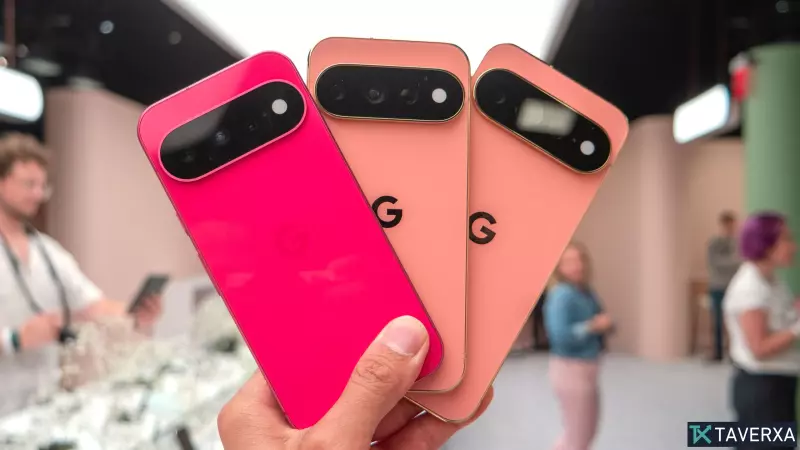
Visually, the Pixel 11 series remains distinctive. The standard Pixel 11 is the standout for those who love vibrant aesthetics, offering colors like Hibiscus, Pistachio, and Frost. A notable refinement is the camera cutout, which has been reduced by 40%, allowing the phone to sit perfectly flat when paired with official cases.
The Pro models (Pro and Pro XL) lean toward a more professional look with matte glass backs and polished frames (though the Obsidian colorway features a fully matte frame). The most striking addition to the Pro series is the HiLight LED on the rear. This notification system allows users to assign custom colors to specific contacts and glows when Gemini is active, providing a discreet way to monitor alerts while the phone is face down.
Display and Visual Experience
Display technology remains a strong point for Google. The base Pixel 11 retains the 6.3-inch Actua OLED display, while the Pro and Pro XL utilize 6.3-inch and 6.8-inch Super Actua panels, respectively. Google claims these are the brightest screens in the series' history, peaking at 3,600 nits. In real-world testing with HDR content, the results are stunning, characterized by deep blacks, vibrant saturation, and wide viewing angles that excel even under direct sunlight.
Camera Evolution: Beyond the Megapixels
While the spec sheet shows incremental changes, the actual hardware improvements are significant. The standard Pixel 11 now features a larger main sensor with a reported 56% increase in light sensitivity, which will drastically improve low-light photography and action shots. Its telephoto lens now supports up to 30x Super Zoom.
The Pro models take this further with a 48MP telephoto lens that captures 32% more light and supports a massive 120x Pro Zoom. Powered by the Tensor G6, the Pros introduce two game-changing tools:
- Camera Looks: Similar to LUTs in professional cinematography, this allows users to apply specific aesthetic grades at the moment of capture rather than in post-processing.
- Magic Capture: An AI-driven mode that analyzes video frames in real-time to extract high-resolution still photos of the perfect moment.
Performance and the Tensor G6 Powerhouse
The Tensor G6 is the heart of the Pixel 11 series. Google claims the move to a 2nm process yields a 25% increase in web browsing speed, 15% faster app launches, and a staggering 3.5x boost in on-device AI execution. In hands-on use, the responsiveness is palpable, particularly when running complex AI tasks like the new Rambler voice input in Gboard, which automatically strips out filler words ("um", "ah") to create clean text.
Battery Life and Charging Logic
Interestingly, the base Pixel 11 is the only model to receive a battery capacity increase, now packing 4,985 mAh. The Pro and Pro XL have seen slight decreases in capacity (4,850 mAh and 5,115 mAh, respectively), a move Google attributes to the superior power efficiency of the Tensor G6. Charging is now more unified, with the Pixel 11 and Pro now matching the Pro XL's 25W Qi2.2 wireless charging speed, though the Pro XL remains the king of wired speeds at 45W.
Final Verdict: Which Pixel 11 is Right for You?
After spending time with all three, the Pixel 11 Pro is the definitive recommendation. It represents the 'sweet spot' of the lineup, offering the professional camera array, the 3,600-nit display, and the HiLight LED of the XL, but in a more manageable 6.3-inch form factor. With 256GB of starting storage and a price tag $200 lower than the XL, it provides the most value without compromising on any flagship features.