Flock Safety's Surveillance Expansion: The Plan to Turn Rideshare Vehicles into Mobile Cameras
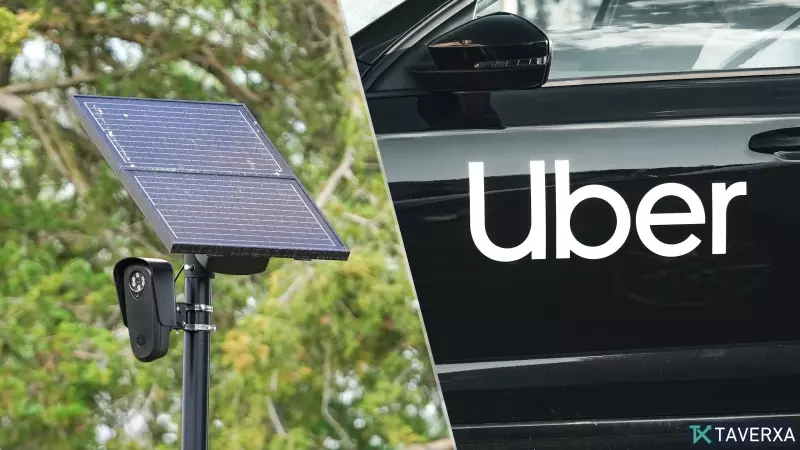
Reports suggest Flock Safety once planned to turn hundreds of thousands of Uber and Lyft dash cams into a mobile surveillance network to track vehicles nationwide.
The Evolution of Surveillance
Flock Safety, known for its extensive network of pole-mounted automated license plate readers (ALPRs), has long been a subject of intense debate regarding public privacy and the extent of law enforcement surveillance. Originally launched in 2017 with the goal of curbing neighborhood property crime, the company has rapidly evolved its technology. Today, its 'FlockOS' infrastructure provides a interconnected, nationwide web of data that allows agencies to track vehicle movements across state lines, sparking concerns that a community safety tool has transformed into a massive, centralized surveillance apparatus.
The Proposed Nexar Partnership
Internal documents recently obtained by 404 Media have uncovered a previously undisclosed strategy that would have significantly escalated the company's surveillance capabilities. Flock reportedly pitched a plan to integrate its tracking software with Nexar, a popular manufacturer of consumer dash cams. Had this partnership moved forward, it would have effectively turned hundreds of thousands of Uber, Lyft, and delivery vehicles into a mobile, real-time surveillance network.
The pitch deck indicated that the technology would scan and capture license plate data from surrounding traffic, not just of the vehicles where the cameras were installed. This would have added an estimated 350,000 mobile sensors to Flock’s existing infrastructure, vastly increasing the number of data points it collects without the need for additional physical hardware.
Privacy Concerns and Lack of Transparency
One of the most alarming details of the proposed plan was the lack of clarity regarding whether rideshare drivers would be explicitly informed that their dash cams were effectively acting as tools for law enforcement. Critics argue that turning consumer devices into data-harvesting machines for police surveillance without clear user consent represents a dangerous overreach. Furthermore, the existing Flock network has already faced scrutiny, with reports of police officers misusing the system to track individuals, including former spouses and partners, leading to suspensions and public outcry.
Pushback and Future Implications
Public resistance to the normalization of constant monitoring is growing. Grassroots efforts, such as the development of tools like 'DeFlock'—which maps the locations of these cameras—are becoming more common. In some instances, residents have taken direct action, physically removing or dismantling hardware. By considering a shift toward mobile sensors, Flock may have been attempting to circumvent these stationary targets, instead creating a fluid, harder-to-track surveillance net. As the debate over privacy and safety intensifies, the future of these technologies remains a flashpoint for civil liberty advocates and tech regulators alike.