EU Relaxes Methane Penalties as Global Energy Crisis Intensifies
The European Commission has recommended pausing methane penalties for oil and gas companies until 2030, citing energy security concerns and international pressure amid the US-Iran conflict.
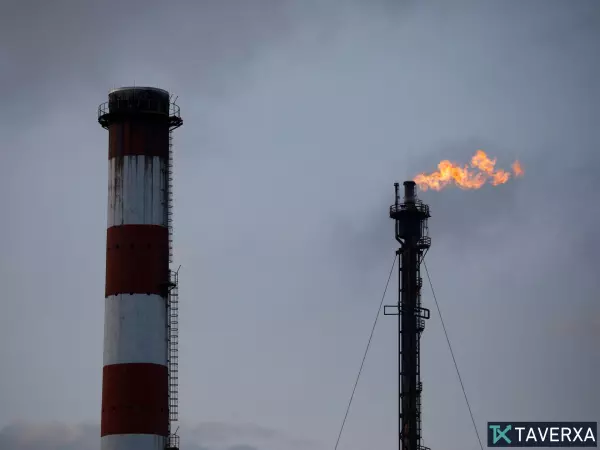
The European Commission has issued a critical recommendation to member states to suspend the application of penalties for oil and gas companies that fail to meet strict methane emissions standards between 2027 and 2030. This policy pivot comes as the continent grapples with severe energy security challenges exacerbated by the ongoing conflict in the Middle East and the resulting instability at the Strait of Hormuz.
Prioritizing Energy Security Amid Geopolitical Volatility
Originally, the EU Methane Regulation was slated to enforce stringent monitoring and compliance, with potential fines reaching up to 20 percent of a company's annual turnover for non-compliance. However, the Commission has opted for a more cautious approach, citing the necessity of preventing supply disruptions during a time of global market tightness. The ongoing conflict between the United States and Iran has significantly impacted shipping lanes and energy flows, forcing policymakers to weigh environmental targets against the immediate need to heat homes and power industries.
Mounting Pressure from Global Energy Partners
Brussels faced substantial pressure to adjust its regulatory framework from both within and outside the bloc. A high-level diplomatic intervention led by US Energy Secretary Chris Wright, alongside key energy exporters including Qatar, Nigeria, and Algeria, warned that the initial timeline for these regulations could jeopardize Europe’s access to vital oil and gas supplies. This sentiment was echoed by a coalition of 17 EU member states, all calling for a more flexible implementation strategy.
The Future of EU Climate Goals
While environmental advocates argue that any suspension of penalties undermines the bloc's climate objectives, the Commission emphasized that the core obligations of the Methane Regulation remain in effect. The suspension of penalties is intended to grant importers the necessary transition time to align with European standards without risking a total energy shortfall. While the recommendation is non-binding, it serves as a critical signal to judicial bodies and stakeholders that the current geopolitical climate necessitates a temporary recalibration of climate enforcement to maintain stability in global energy markets.