Devastating Monsoon Flash Floods Sweep Through Afghanistan: At Least 20 Dead in Nuristan
At least 20 dead and dozens missing as monsoon-driven flash floods devastate Nuristan province in Afghanistan. Discover the impact of climate change on the region.
Catastrophic Flooding in Nuristan Province
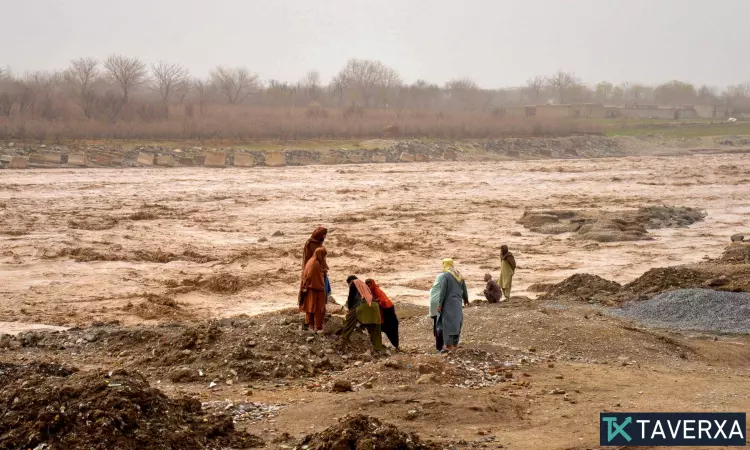
Afghanistan has been struck by a series of violent, monsoon-driven flash floods that have left a trail of destruction across the eastern region. According to the Afghanistan National Disaster Management Authority (ANDMA), at least 20 people have been confirmed dead, with more than 80 others injured. The brunt of the disaster was felt in Nuristan province, where torrential rains triggered sudden surges of water and debris.
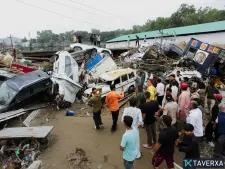
The provincial capital, Parun, suffered immense damage. Local reports indicate that the floods completely overwhelmed the city's infrastructure, destroying the municipality, numerous hotels, and dozens of commercial shops. The force of the water was so extreme that large boulders were swept into the town center, leaving residents to search through the rubble for survivors without the aid of professional heavy machinery.
Urgent Search and Rescue Efforts
Rescue teams are currently racing against time to reach the most affected areas of Nuristan. The governor's office has confirmed that the tragedy extends beyond the death toll, with several high-ranking officials, including the mayor of Parun and various regional employees, still reported missing. Local NGOs, such as Shpoul, have described the scene as a total collapse of urban infrastructure, urging for immediate international and national support to aid in recovery efforts.
A Regional Crisis: South Asia Under Siege
The disaster in Afghanistan is not an isolated incident but part of a broader, chaotic monsoon season gripping South Asia since June. Neighboring countries are facing similar climatic onslaughts:
- India: Recent flash floods and landslides in northern and northeastern regions have claimed at least 25 lives.
- Nepal: Since mid-June, monsoon-related floods, landslides, and lightning strikes have killed 27 people and left 69 injured.
The Link to Climate Change and Humanitarian Risk
Environmental experts warn that the frequency and intensity of these flash floods are no longer merely seasonal anomalies. Mawlawi Matiul Haq Khalis, head of Afghanistan’s environmental protection agency, has explicitly warned that environmental degradation and climate change are exacerbating these disasters.
For a country already grappling with political instability and economic hardship, these recurring climate shocks are transforming environmental issues into a full-scale humanitarian crisis. The lack of resilient infrastructure makes the population particularly susceptible to the devastating effects of sudden floods, leading to significant loss of life and the total erasure of local livelihoods.