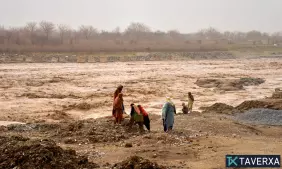
Devastating Monsoon Rains: At Least 25 Dead as Floods and Landslides Ravage Northern India
At least 25 people have died as torrential monsoon rains trigger deadly floods and landslides across northern India, including Kashmir and Nagaland.
Torrential Rains Trigger Widespread Chaos
A series of catastrophic weather events has swept across northern and northeastern India, leaving a trail of destruction and claiming at least 25 lives. Torrential monsoon rains, which began as a seasonal expectation, quickly escalated into a humanitarian crisis as flash floods and massive landslides tore through mountainous terrains and rural villages.
Local officials reported that the casualties are spread across multiple regions, with the most severe impact felt in Indian-administered Kashmir and the northeastern state of Nagaland. As rescue teams struggle against unstable terrain and continuing rainfall, there are fears that the death toll may rise further as several individuals remain missing.
Crisis in Kashmir and Nagaland
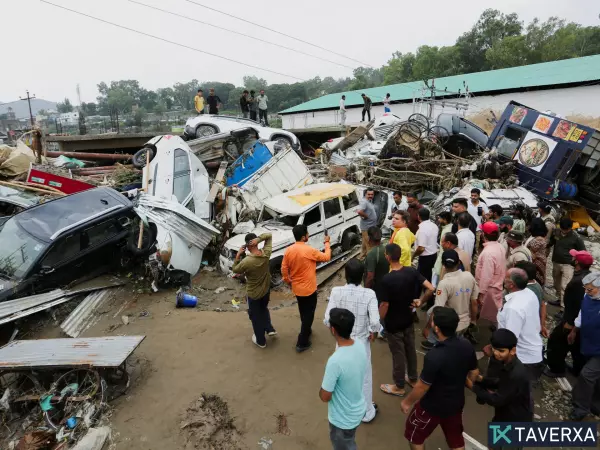
In the region of Kashmir, the districts of Poonch, Rajouri, and Doda have been hardest hit. A senior police official confirmed that at least 15 deaths have occurred here, with many residents still unaccounted for. In Rajouri, a violent flash flood swept through the area, piling up vehicles and destroying both public infrastructure and private homes. In a heroic effort, the Indian Army and state emergency responders managed to rescue 11 people, including five children, from the rising waters.
Further east in Nagaland, the Mon district has been devastated by landslides. Wennyei Konyak, the district magistrate, informed news agencies that nine people have been killed. While four bodies have been recovered, search operations continue for the remaining victims. Additionally, at least 15 people have suffered injuries due to the collapsing hillsides.
Regional Impact: Assam and Beyond
The devastation is not limited to the mountains. In the state of Assam, the state disaster management body reported one fatality and a massive displacement of people. Over 57,000 residents across seven districts have been affected by the flooding, highlighting the vulnerability of the plains during the peak of the monsoon season.
Safety Measures and Pilgrimage Suspensions
Due to the extreme risks posed by unstable roads and unpredictable weather, authorities have taken the drastic step of suspending two of India's most significant spiritual journeys. The annual Amarnath pilgrimage, which historically attracts hundreds of thousands of Hindu devotees, has been paused. Similarly, the Vaishno Devi pilgrimage in Jammu has been suspended until safety assessments can guarantee that the routes are clear of landslide debris and flood risks.
A Recurring Cycle of Climate Extremes
India's weather office has issued warnings that the region is not yet out of danger, with extremely heavy rainfall predicted for Jammu and Kashmir for at least another week. These events underscore a recurring and deadly pattern in the region: the brutal transition from scorching summer droughts and water scarcity to violent monsoon floods.
Environmental experts suggest that the increasing intensity of these seasonal swings may be linked to broader climatic shifts, making the annual monsoon more erratic and destructive for the millions of people living in the fragile landscapes of northern India.