Escalation in the Middle East: Trump Vows Severe Retaliation Against Iran Amid Rising Tensions
US President Donald Trump warns Iran of severe retaliation if US soldiers are killed, as Houthi rebels impose a maritime embargo on Saudi Arabia.
Heightened Tensions in the Persian Gulf
The geopolitical landscape of the Middle East has entered a volatile new phase as US President Donald Trump issued a stark warning to the Islamic Republic of Iran. Following a series of military escalations, the US President has signaled a policy of aggressive deterrence, stating that any loss of American military personnel will be met with a disproportionate response.
Trump's Warning of Retaliation
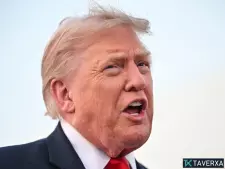
In a strongly worded social media statement, President Trump emphasized that the United States would not tolerate attacks on its forces. "Every time Iran kills an American soldier they will pay for that killing many times over," Trump declared. This rhetoric comes at a critical juncture, following reports of continuous US airstrikes on Iranian targets for nine consecutive nights, as tensions around the strategic Strait of Hormuz reach a breaking point.
Houthi Intervention and the Saudi Embargo
The conflict has expanded beyond the direct US-Iran axis to involve regional proxies. Yemen’s Houthi rebels, who are backed by Tehran, have announced a comprehensive maritime embargo against Saudi Arabia. This move follows a period of direct fire between the Houthis and the Saudi state—the first such exchange in several years—signaling a widening regional conflict that threatens global shipping lanes and energy security.
The Diplomatic Paradox
Despite the intensifying military actions and the bellicose language coming from Washington, a thin thread of diplomacy remains. Iranian official Baghaei has indicated that diplomatic exchanges between Tehran and the US are still ongoing through third-party mediators. This suggests a complex "dual-track" strategy where both nations are engaging in military posturing while simultaneously seeking a diplomatic off-ramp to prevent a full-scale regional war.
Strategic Implications for the Region
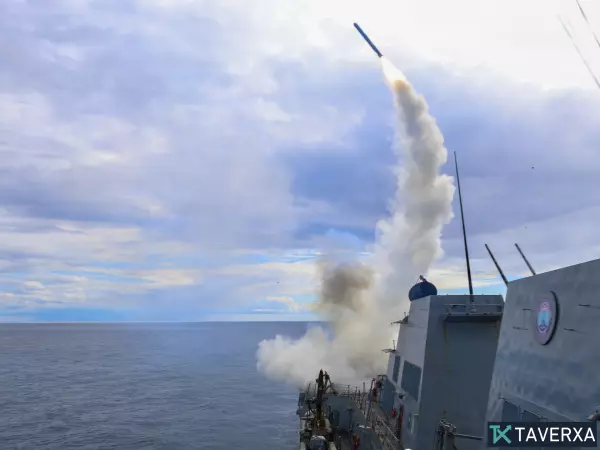
The current escalation highlights the fragile security architecture of the Middle East. With the US deploying advanced naval assets, including Arleigh Burke-class guided-missile destroyers like the USS Thomas Hudner, the risk of accidental escalation is high. Analysts suggest that the maritime embargo by the Houthis and the US's promise of "many times over" retaliation could lead to an unpredictable cycle of violence that would impact global oil prices and international stability.