Escalation in the Middle East: Trump Vows Retaliation Against Iran Amid Rising Regional Tensions
President Donald Trump warns Iran of severe retaliation for any American soldier killed, as US strikes continue and Houthi rebels impose a maritime embargo on Saudi Arabia.
US President Issues Stern Warning to Tehran
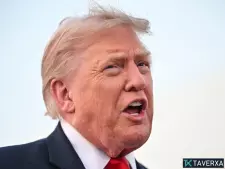
Tensions in the Middle East have reached a critical boiling point as US President Donald Trump issued a severe warning to the Islamic Republic of Iran. In a recent social media communication, the President signaled a policy of aggressive retaliation, asserting that "every time Iran kills an American soldier they will pay for that killing many times over." This statement comes amidst a period of heightened military friction and a series of strategic strikes that have left the region on edge.
A Cycle of Military Confrontation
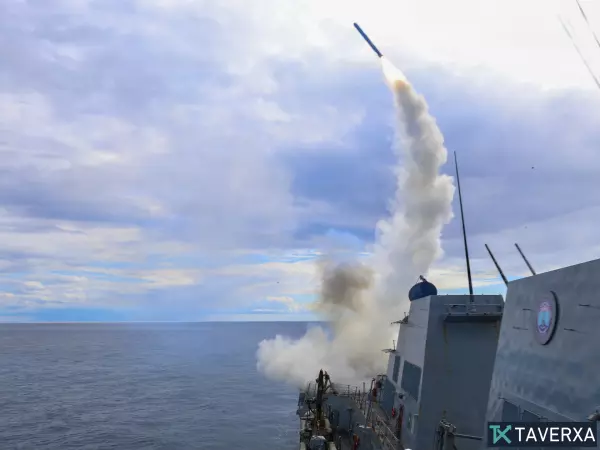
The rhetoric follows a volatile week characterized by direct military engagements. Reports indicate that the US has conducted bombing operations against Iranian interests for nine consecutive nights, as tensions escalate particularly around the Strait of Hormuz—a vital artery for global oil shipments. The US Central Command has showcased its readiness, with imagery showing the Arleigh Burke-class guided-missile destroyer USS Thomas Hudner deploying Tomahawk Land Attack Missiles, underscoring the scale of the American military footprint in the region.
The Houthi Factor and the Saudi Embargo
The conflict is not limited to a bilateral struggle between Washington and Tehran. In a significant escalation of the proxy war, Yemen’s Iran-backed Houthi rebels have announced a comprehensive maritime embargo against Saudi Arabia. This move follows a period where the two sides traded fire for the first time in several years, further complicating the security landscape in the Arabian Peninsula and threatening international shipping lanes.
Diplomatic Channels Amidst the Chaos
Despite the overt threats and the sound of missiles, a thin thread of diplomacy remains. Iranian official Baghaei has indicated that diplomatic exchanges with the United States are still ongoing, facilitated by third-party mediators. This suggests that while both nations are demonstrating their military capabilities and utilizing aggressive public rhetoric, there remains a strategic desire to avoid a total, unrestricted war that could destabilize the global economy.
Strategic Implications for Global Security
The current standoff highlights the precarious nature of US-Iran relations. The combination of direct strikes, threats of "many times over" retaliation, and the involvement of non-state actors like the Houthis creates a high-risk environment. Analysts suggest that the outcome of these tensions may not only reshape the geopolitical map of the Middle East but could also play a significant role in upcoming US political cycles, as the administration's handling of the 'Iran war fallout' becomes a focal point of national debate.