Escalation in the Gulf: US Launches New Round of Strikes Against Iran Amid Rising Tensions
US CENTCOM carries out a new round of strikes in Bandar Abbas and Sirik, Iran. President Donald Trump warns of severe retribution as diplomatic channels remain open.
US CENTCOM Confirms Precision Strikes on Iranian Soil
In a significant escalation of military hostilities, the United States Central Command (CENTCOM) has confirmed the execution of a "new round of strikes" targeting key locations within Iran. The operations, which took place on July 20, 2026, have sent shockwaves through the Middle East, signaling a shift toward more aggressive direct confrontation between Washington and Tehran.
Reports from Iranian media outlets confirm that powerful explosions rocked the strategic coastal cities of Bandar Abbas and Sirik. These areas are critical for Iran's maritime logistics and naval operations, making them high-value targets for US precision-guided munitions. While the full extent of the damage is still being assessed, the strikes appear to be aimed at degrading Iranian military capabilities and infrastructure.
Trump Vows Retribution for American Casualties
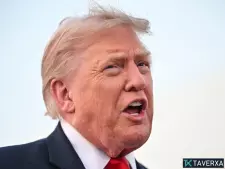
President Donald Trump took to social media to justify the offensive, framing the strikes as a necessary response to the loss of American service members. In a stark warning to the Iranian leadership, the President asserted that the US would no longer tolerate attacks on its personnel.
"Every time Iran kills an American soldier, they will pay for that killing many times over," Trump posted, underscoring a doctrine of disproportionate retaliation intended to deter further Iranian aggression. This rhetoric aligns with a broader strategy of "maximum pressure" through both economic sanctions and targeted military action.
The Diplomatic Paradox: Strikes and Secret Channels
Despite the kinetic warfare unfolding on the ground, a paradoxical layer of diplomacy remains active. Iranian official Baghaei revealed that diplomatic exchanges between Tehran and Washington are still ongoing, facilitated by third-party mediators. This suggests that while the US is utilizing military force to signal strength, both nations are simultaneously exploring exit ramps to prevent a full-scale regional war.
Analysts suggest that these mediators are likely working to establish a new "red line" or a temporary ceasefire to avoid a catastrophic spiral of escalation that could disrupt global oil markets and ignite wider conflict across the Levant and the Gulf.
Strategic Implications for the Region
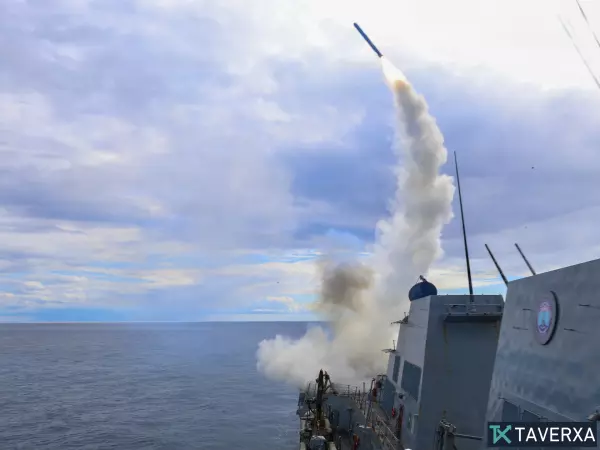
The focus on Bandar Abbas and Sirik highlights the US's intent to threaten Iran's ability to project power in the Strait of Hormuz, a chokepoint for a significant portion of the world's energy supply. The use of advanced naval assets, including Arleigh Burke-class guided-missile destroyers like the USS Thomas Hudner, demonstrates the US's capability to strike from the sea with high precision.
As the world watches, the coming days will be critical in determining whether these strikes lead to a negotiated settlement or mark the beginning of a prolonged military campaign in the heart of the Middle East.