Ankara and Haftar: The New Strategic Alignment Redefining Libyan Geopolitics
Turkiye is expanding military cooperation with Libya's eastern forces under General Haftar. Discover why this strategic shift is being welcomed by Egypt instead of sparking conflict.
A Strategic Pivot in the Mediterranean
For years, the political landscape of Libya has been defined by a sharp divide between the internationally recognized government in Tripoli and the eastern-based forces led by General Khalifa Haftar. Turkiye, a staunch supporter of the Tripoli authorities, has historically stood on the opposite side of Haftar’s Libyan National Army (LNA). However, a significant paradigm shift is currently underway as Ankara accelerates its military and technical engagement with the LNA, marking a departure from previous adversarial dynamics.
Depth of Cooperation
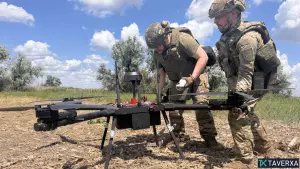
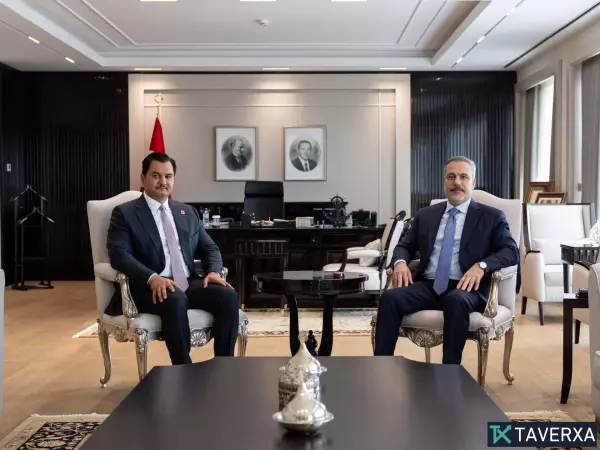
Recent developments suggest that the relationship between Turkiye and the eastern Libyan leadership has evolved beyond mere diplomacy. According to exclusive intelligence, the two parties are engaging in advanced military cooperation. This includes the development of military infrastructure, the implementation of sophisticated surveillance systems, and the establishment of training programs for LNA officers within Turkish facilities. These initiatives are being spearheaded by high-level engagements, most notably involving Saddam Haftar, the deputy commander of the LNA, and senior Turkish defense officials.
Egypt’s Stance: From Anxiety to Alignment
Historically, any Turkish military presence near Libya’s eastern border would have been perceived as a direct challenge to Egypt’s national security. However, Cairo appears to be remarkably calm regarding this development. Analysts point out that this is due to a newfound, deep level of strategic coordination between Egypt and Turkiye. With both nations now finding common ground in conflicts such as the war in Sudan—where they collectively back the national army against the Rapid Support Forces—the Libyan theater has transformed into a zone of cooperation rather than a battlefield for proxy wars. Experts argue that Turkey's presence in eastern Libya may actually provide a stabilizing influence that aligns with Egypt’s broader interests, potentially filling security voids in the Sahel and Sahara regions.
Long-Term Implications for Regional Security
This move by Ankara is part of a broader, long-term strategy to ensure its influence in Libya persists, regardless of future political configurations. By fostering ties with both the east and the west, Turkiye is positioning itself as a central, indispensable actor in Libyan affairs. While both parties seem to be avoiding a formal, large-scale military pact for the time being, the ongoing technical cooperation signals a departure from the rigid polarization that defined the region for the past decade. As the Libyan file transitions toward pragmatism, the Mediterranean basin may witness a period of increased stability, provided these overlapping interests remain harmonized.