Africa Shield: Strengthening Security Amidst the Continent's Industrial Surge
Discover how the Africa Shield 2026 workshop is helping African governments secure sensitive chemical and radiological materials to support safe economic and industrial development.
As Africa’s economies continue to undergo rapid industrialization and technological advancement, the continent faces a sophisticated new security challenge: the protection of sensitive chemical, biological, radiological, and nuclear (CBRN) materials. While historically focused on conflict and terrorism, African governments are now pivoting toward building comprehensive defense frameworks to secure the materials essential to modern healthcare, mining, and scientific research.
The Dual-Use Dilemma
The materials driving Africa’s development—such as radioisotopes for cancer treatment, industrial chemicals for mining, and biological agents for research—are inherently dual-use. This means they are vital for prosperity but pose significant risks if subjected to theft, illicit diversion, or mismanagement. Security analysts emphasize that the goal is not to curb economic progress, but to ensure that the rapid expansion of these sectors is matched by robust regulatory oversight and secure handling practices.
Africa Shield 2026: A Collaborative Defense
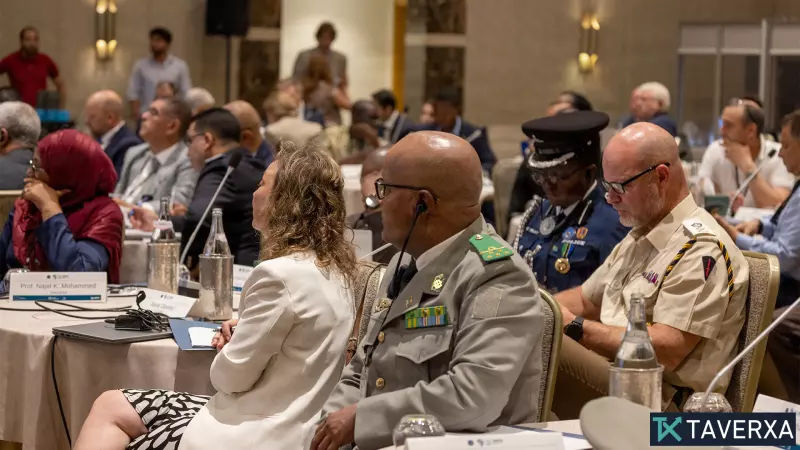
In mid-July 2026, Tunis hosted the Africa Shield 2026 Regional Counterproliferation Workshop. This event served as a landmark collaboration between the U.S. Defense Threat Reduction Agency (DTRA), the European Union’s CBRN Risk Mitigation Initiative, and the United Nations Interregional Crime and Justice Research Institute. The workshop brought together over 100 experts, including military, law enforcement, and policy leaders, to refine strategies for implementing UN Security Council Resolution 1540, which mandates that states prevent non-state actors from acquiring weapons of mass destruction.
Moving From Response to Prevention
A key shift observed at the summit is the transition from reactive crisis management to proactive risk mitigation. Rather than waiting for a security incident, nations are now focusing on:
- Strengthening border controls to prevent the illicit movement of sensitive goods.
- Enhancing export monitoring protocols.
- Building national forensic and investigative capabilities.
- Fostering intelligence sharing across regional networks.
Overcoming the Enforcement Gap
Despite growing policy commitments, the practical application of these security measures remains uneven. Many nations face significant hurdles, including limited funding, a shortage of specialized personnel, and the technical challenge of monitoring vast, porous borders. The implementation of the African Continental Free Trade Area further complicates matters, requiring nations to tighten security without creating trade bottlenecks.
Experts suggest that the way forward lies in African-led capacity building. By moving away from dependency on external partners and investing in local forensic infrastructure and institutional intelligence, African nations can ensure that their security apparatus evolves at the same speed as their economic growth. As the continent continues to modernize, the integration of CBRN safety into national security policy will remain a cornerstone of long-term stability and sustainable development.