A New Era of Dominance: How Spain's Youthful Cohesion Toppled Messi's Argentina in 2026 World Cup Final
Discover how a young, cohesive Spanish squad defeated Lionel Messi's Argentina to win the 2026 World Cup, marking a new era of football dominance.
The Dawn of a New Dynasty
In a breathtaking display of tactical discipline and youthful exuberance, Spain secured their second FIFA World Cup title with a hard-fought 1-0 victory over defending champions Argentina in New Jersey. The win marks a historic shift in the international football landscape, as Luis de la Fuente's 'La Roja' successfully dismantled one of the most storied teams in history, led by the legendary Lionel Messi.
The journey to the trophy was not without its hurdles. Spain's campaign began on a tentative note in Atlanta, where they were held to a frustrating 0-0 draw by tournament debutants Cape Verde. However, that early stumble served as a wake-up call, fueling a steady ascent through the knockout stages and culminating in a flawless defensive record, conceding only one goal throughout the entire tournament.
Betting on Youth: The Bold Strategy
Spain's success was rooted in a daring commitment to the next generation. Boasting the sixth-youngest squad in the 48-team tournament, the team featured an average age of just 26.19. While rivals like Brazil leaned heavily on veteran experience, Spain entrusted their fate to teenagers and young stars.
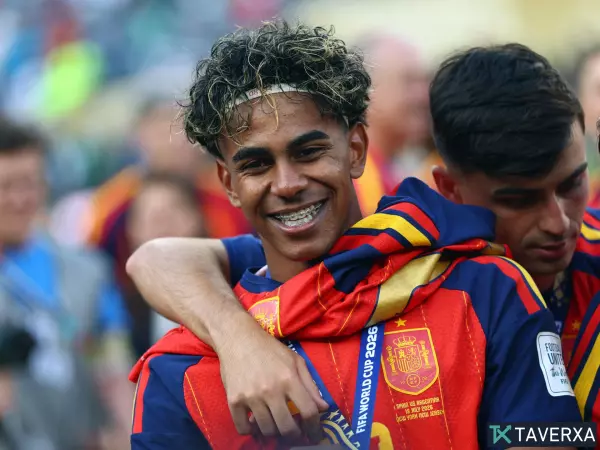
The emergence of 19-year-olds Pau Cubarsi and Lamine Yamal provided a spark of unpredictability and energy. Alongside 23-year-old Pedri and 24-year-old Nico Williams, these young talents formed a cohesive unit that combined technical brilliance with an unwavering work rate. This youth-centric approach didn't just provide energy; it created a symbiotic chemistry that veteran-heavy squads often struggle to replicate.
The Path to Glory: From Grit to Masterclass
After surviving the group stages and easing past Austria in the round of 32, Spain found their grit in the subsequent knockout rounds. The contributions of super-sub Mikel Merino proved pivotal, as he netted late winners against both Portugal and Belgium to propel Spain into the final four.
The semifinal against France served as the definitive turning point. In a tactical masterclass, De la Fuente nullified the feared attacking threats of Kylian Mbappe and Michael Olise. The midfield trio of Dani Olmo, Rodri, and Fabian Ruiz dictated the tempo, suffocating the French side and securing a commanding 2-0 victory. This performance signaled to the world that Spain was no longer just a team of potential, but a finished product ready for the summit.
Analyzing the Final: Neutralizing the Albiceleste
The final in New Jersey was a study in control. Spain adhered to their blueprint, dominating 65 percent of possession and systematically wearing down the Argentinian side. The frustration of the South Americans was evident, as they were restricted to just two shots over 120 minutes—neither of which found the target.
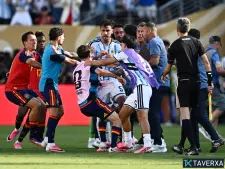
The tension peaked in second-half stoppage time when Argentina's Enzo Fernandez received a second yellow card following a reckless challenge on Pau Cubarsi. Seizing the momentum in extra time, Spain finally broke the deadlock in the 106th minute. Ferran Torres delivered the decisive blow, smashing the ball into the roof of the net to seal the championship.
A Glimpse into the Future
With the World Cup trophy in hand, Spain now stands as both the European and World champions. The outlook for the next cycle is overwhelmingly positive. With a core of players like Yamal and Pedri yet to hit their absolute peak, Spain is perfectly positioned to dominate the lead-up to the 2030 World Cup, which they will host on home soil.
Manager Luis de la Fuente, having extended his contract until 2028, has built more than just a winning team; he has established a philosophy of possession-based dominance that is expected to define the international game for years to come.