Why the Galaxy Z Fold 8 and Gemini Notebook Finally Convinced Me to Embrace Foldables
Discover why the integration of Google's Gemini Notebook on the Samsung Galaxy Z Fold 8 has finally made foldables a must-have tool for professional productivity.
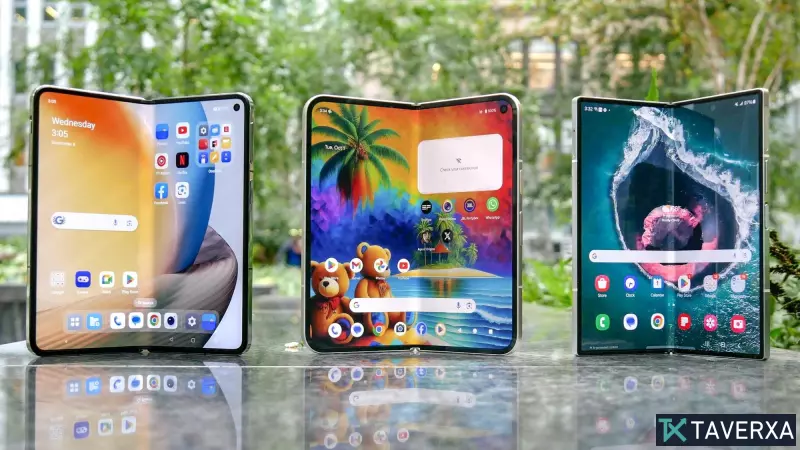
For years, I viewed foldable smartphones as a technological novelty—a cool engineering flex that ultimately lacked a practical purpose for my daily workflow. As an iPhone user, my recurring skepticism was rooted in a simple question: 'Why fold when I have a laptop?' Even as I closely followed advancements in AI, I remained unconvinced that a foldable device offered a significant advantage over a standard handset.
The AI Turning Point
Everything changed with the recent launch of the Samsung Galaxy Z Fold 8. It wasn't the refined hinge design or the upgraded camera arrays that shifted my perspective; it was the deeper, native integration of Google's Gemini Notebook (formerly known as NotebookLM). When Google announced that Gemini Notebook would come preinstalled on the Z Fold lineup as part of an expansive AI-driven ecosystem, it finally clicked. For the first time, I recognized that this specific form factor was built for this level of AI-assisted productivity.
Why Foldables Now Make Sense
My daily routine involves juggling extensive research, managing PDFs, summarizing YouTube videos, and drafting notes. Previously, conducting this work on a standard smartphone was a cramped, frustrating experience. Gemini Notebook acts as a powerful workspace, and on a regular phone screen, it feels suffocated. You are forced to toggle between apps, limiting your ability to synthesize information effectively.
With the Galaxy Z Fold 8’s expansive display, the experience is transformed. I can now operate a true research desk on the go. Imagine having an AI-generated study guide on one side of the screen while the source material sits on the other. Or, during vacation planning, keeping travel itineraries open alongside hotel booking pages while Gemini organizes the details. The ability to use the screen real estate for multitasking—rather than just viewing content—is where the real value of foldables finally comes to light.
AI as the Catalyst for Hardware
Samsung has long marketed foldables as productivity machines, but the software experience had yet to catch up to the ambitious hardware. By baking AI deeper into the OS, specifically through Gemini’s ability to automate tasks across dozens of apps, the device becomes a central hub. It allows for a cohesive workflow that previously required constant window switching.
Ultimately, while foldables remain an expensive, specialized segment of the market, they are no longer just for early adopters or tech enthusiasts. For professionals, students, or anyone who spends their day researching, planning, or writing, the extra screen space is no longer a luxury—it is a functional necessity powered by the seamless integration of modern AI.