Why Starfield's 1,000 Planets Were a Misstep: Insights from a Former Bethesda Developer
Former Bethesda developer Bruce Nesmith explains why Starfield's 1,000 planets were a design mistake compared to the handcrafted world of Skyrim.
A Departure from the Bethesda Formula
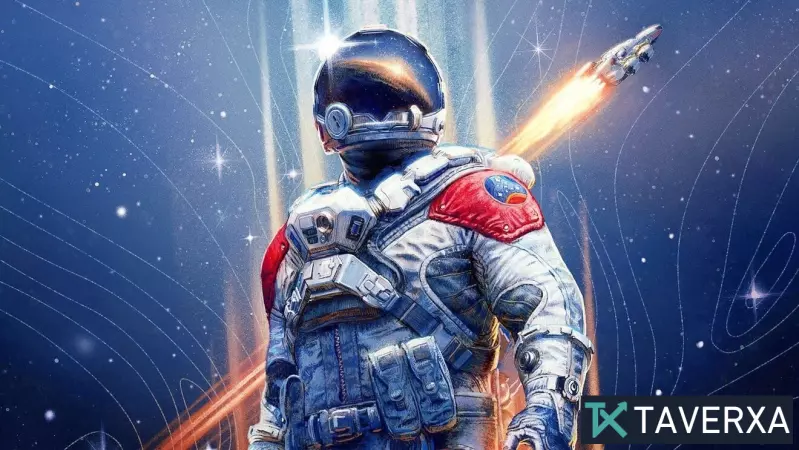
Since its release, Bethesda's ambitious space RPG Starfield has been subject to intense scrutiny, particularly regarding its massive scope. While the game promised a 'Skyrim in space' experience, many fans and critics felt it lacked the cohesive density that defined the developer's earlier legendary titles. Now, Bruce Nesmith, a former Bethesda veteran who worked on Skyrim, has weighed in, suggesting that the decision to include 1,000 planets was fundamentally flawed.
The 'Quality Over Quantity' Dilemma
In a candid reflection on the game's design, Nesmith explained that the ambition to populate a galaxy with 1,000 planets created a design challenge that shifted focus away from the tightly crafted narratives and exploration loops Bethesda is known for. According to Nesmith, he 'would not have done it like that at all.' The core issue lies in the thinning of the player experience; by spreading content across an entire galaxy, the sense of discovery—a hallmark of titles like Skyrim—became diluted by vast, empty stretches of procedural generation.
Can Starfield Be Fixed?
Nesmith notes that while the technical achievement of generating these systems is impressive, it fundamentally changes what a 'Bethesda game' feels like. Unlike the dense, handcrafted map of Skyrim, where every location tells a specific story, Starfield relies on a level of abstraction that many players found alienating. The veteran suggests that focusing on a smaller, more detailed set of locations might have yielded a more immersive RPG experience that aligned better with the studio's legacy. As the community continues to offer feedback, the debate over procedural generation versus handcrafted world-building remains a pivotal topic for the future of large-scale RPG development.