Why Obsidian Entertainment is Avoiding the Baldur's Gate 3 Early Access Blueprint
Discover why Obsidian Entertainment believes the Baldur's Gate 3 Early Access model isn't suitable for every massive narrative RPG, despite Larian's massive success.
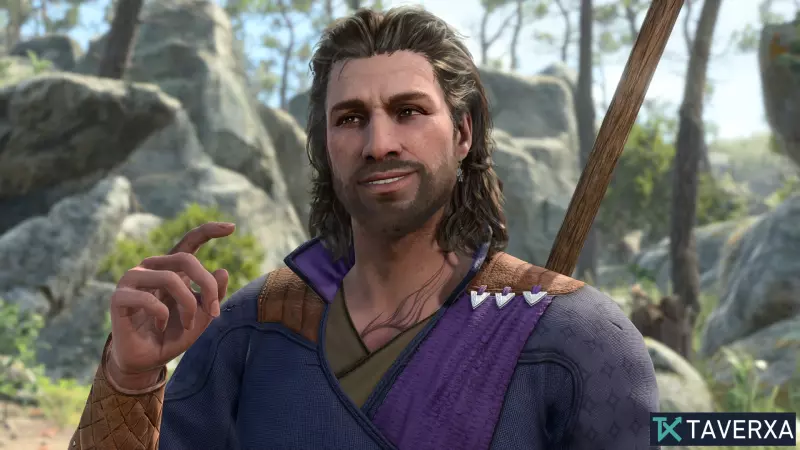
The Baldur's Gate 3 Phenomenon
The gaming world was fundamentally altered by the release of Baldur's Gate 3. Developed by Larian Studios over six grueling years, the title didn't just succeed commercially; it revitalized the entire Western RPG genre. Its immense complexity, narrative depth, and player agency set a new gold standard for the industry. A critical component of this success was Larian's masterful utilization of the Early Access model, allowing them to iterate and polish the game based on direct community feedback long before the official launch.
The Risky Gamble of Early Access
While many developers are now looking at Baldur's Gate 3 as a roadmap for success, the Early Access model remains a double-edged sword. In the eyes of many gamers and critics, Early Access can sometimes be a red flag, signaling a project that may enter 'development hell' and never actually see a full release. However, Larian Studios proved they were the exception to the rule, having successfully navigated this path with both Divinity: Original Sin 1 and 2 before hitting the jackpot with the Dungeons & Dragons adaptation.
Obsidian's Differing Philosophy
Despite the allure of the 'Larian method,' one of the most respected names in the RPG space—Obsidian Entertainment—is choosing a different path. Chris Parker, a veteran at Obsidian and the current director of Grounded 2, recently addressed why the studio won't blindly follow the Baldur's Gate 3 strategy for all its projects. In an interview with GamesRadar+, Parker admitted that while Larian's gamble paid off, it is not a universal solution for the genre.
According to Parker, massive narrative-driven RPGs are inherently more difficult to launch in Early Access than other styles of games. The intricate web of branching dialogue, story consequences, and quest dependencies in a deep RPG can be fragile; releasing them prematurely can lead to narrative inconsistencies or player fatigue before the actual game is finished.
Where the Model Fits (and Where it Doesn't)
It is important to note that Obsidian isn't entirely opposed to community-driven development. Grounded and its upcoming sequel have thrived under the Early Access model because their survival-crafting loop is better suited for iterative testing. Similarly, the studio's history with the Kickstarter campaign for Pillars of Eternity showed a commitment to transparency and community updates.
However, for upcoming heavy-hitters like Avowed and The Outer Worlds 2, Parker suggests that a more traditional development cycle is more appropriate. These titles rely on a tightly paced narrative and high production values that may be compromised by the open-ended nature of an Early Access period.
Conclusion: An Exception, Not the Rule
The industry is currently seeing a surge in C-RPGs attempting to emulate Larian's success—such as the French-developed Solasta 2—proving that the model works well for specific sub-genres. Yet, Obsidian's stance serves as a reminder that there is no one-size-fits-all strategy in game development. While Baldur's Gate 3 was a triumph, its path was an exception born of Larian's unique expertise, and the industry's best may find more success in sticking to their own specialized blueprints.