Why I Swapped My MacBook Pro for the Dell XPS 13: A Tech Journalist's Return to Windows
A veteran tech journalist explains why they ditched a powerful 16-inch MacBook Pro for the ultra-portable Dell XPS 13 and returned to the Windows ecosystem.
The Great OS Migration: From macOS Back to Windows
For nearly a decade, I have lived and breathed the nuances of computing, reviewing Windows 11 from its inception and testing countless Insider builds. However, roughly two and a half years ago, I hit a wall. To me, Windows felt stagnant. The updates were overwhelmingly focused on AI, the search functionality was frustrating, and the Start Menu felt like a work in progress. Craving a fundamental shift in my workflow, I traded in my Surface Laptop Studio for a powerhouse 16-inch MacBook Pro equipped with the M3 Max chip.
For a long time, the switch worked. I became an Apple devotee, enamored by the legendary battery life of the M-series chips, the seamless integration of the ecosystem, and the efficiency of iMovie for video projects. But as my professional needs evolved, the very things that made the MacBook Pro great began to feel like overkill.
Hardware That Wins: The Appeal of the Dell XPS 13
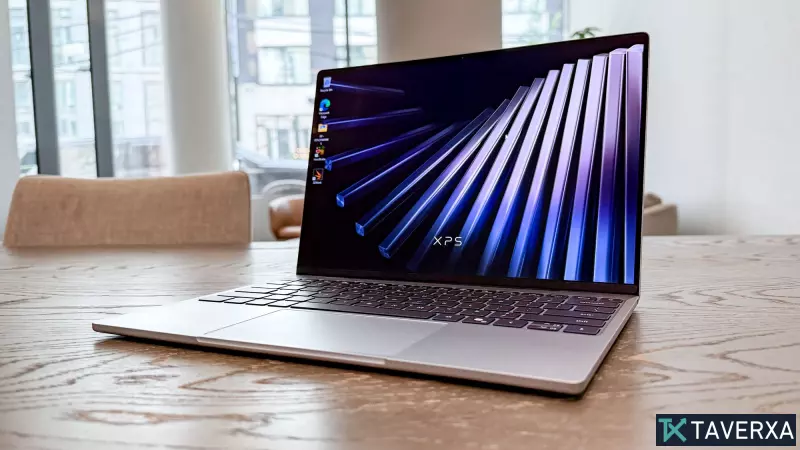
The catalyst for my return to Windows was the 2026 Dell XPS 13. While the 16-inch MacBook Pro is a technical marvel, its size and weight (roughly 4.8 pounds) became cumbersome for a mobile lifestyle. In contrast, the XPS 13 is a masterclass in portability. Weighing in at just 2.2 pounds and measuring only 0.5 inches thick, it slid effortlessly into my leather shoulder bag, virtually unnoticed.
Beyond the weight, the functional versatility of the XPS 13 stood out. The integration of a touchscreen provided an intuitive experience that the MacBook lacks—whether I was swiping through digital instructions for a custom Lego set or navigating Xbox Game Pass. Furthermore, the convenience of Windows Hello offered a faster, more seamless login experience compared to the physical reach required for Touch ID on the Mac.
The RAM Debate: Does 8GB Still Suffice?
One of the most contentious points in modern computing is the 'RAM gap.' My MacBook Pro boasted 36GB of RAM, whereas the XPS 13 I tested came with 8GB. On paper, this looks like a massive downgrade, but the reality of modern productivity tells a different story.
As a lab tester, the vast majority of my work has shifted to the cloud. Utilizing Google Cloud, Chrome, Slack, Teams, and WhatsApp, I found that 8GB was surprisingly adequate. The secret lies in the evolution of web browsers; both Google Chrome and Microsoft Edge now employ aggressive memory-saving features that put inactive tabs to sleep, significantly reducing the strain on system RAM.
While I wouldn't recommend an 8GB machine for heavy 4K video editing, for the average professional whose life exists within a browser and a few communication apps, the performance difference was negligible. Even the battery life, while not matching the marathon endurance of the M3 Max, easily carried me through a full workday with a comfortable brightness level, leaving me with plenty of juice for evening entertainment.
A Polished Return: How Windows 11 Matured
Returning to the Windows ecosystem felt different this time. It wasn't just the hardware that won me over; it was the software's maturation. Microsoft has pivoted from merely pushing AI to actually addressing long-standing user grievances.
The Start Menu has undergone a significant refinement, offering better customization and a full list of apps sorted by category, which reduces the reliance on the search bar. For iPhone users, the integration of Phone Link directly into the Start Menu area makes syncing messages and notifications feel less like a chore and more like a feature. Additionally, the ability to move the Taskbar location (a nostalgic throwback to Windows 7) and the removal of cluttered MSN integrations have resulted in a cleaner, more focused user interface.
Final Verdict: The Right Tool for the Right Job
The transition back to Windows wasn't about finding a 'better' OS in a vacuum, but about finding the right balance of hardware and software for my current life. The Dell XPS 13's combination of extreme portability, a refined touchscreen experience, and a more polished version of Windows 11 made it the superior choice for my daily carry.
For those who previously abandoned Windows due to frustration or stagnation, the current landscape is vastly different. With the right hardware—like the XPS 13—the platform is not only viable but highly desirable for a mobile, productivity-focused workflow.