US Government Implements Sweeping Ban on Foreign-Made Robot Vacuums and Advanced Robotics
The US government has banned new imports of foreign-made advanced robotic devices, including many robot vacuums, citing national security risks. Find out who is affected.
A New Era of Robotics Regulation
In a significant move to safeguard national security, the United States government, via the Federal Communications Commission (FCC), has announced a comprehensive ban on the import of new foreign-made "advanced robotic devices." While initially framed around the restriction of humanoid robots, the scope of this directive is far broader, potentially impacting millions of household appliances, including the popular robot vacuums used by homeowners across the country.
Defining 'Advanced Robotic Devices'
The FCC's definition of a restricted device is expansive, leaving very few automated machines exempt. According to the agency, any device capable of locomotion, obstacle avoidance, navigation, or ground movement falls under the ban. This includes not only humanoid forms but also common consumer tech such as robotic lawnmowers and autonomous delivery bots.
Specifically, the ban targets devices that meet the following criteria:
- Weight: A combined weight (including docking stations) exceeding 4.4 lbs.
- Intelligence: Use of local or remote software, including firmware and AI or machine-learning model weights.
- Sensing: Possession of sensors capable of perceiving the surrounding environment.
- Connectivity: Any component providing network connectivity, whether via Wi-Fi, Bluetooth, cellular, or satellite.
Why the Ban? National Security vs. Consumer Convenience
The primary driver behind this decision is the perceived risk of espionage and sabotage. The FCC has stated that foreign-produced advanced robotic devices could be "weaponized" to harm U.S. persons or compromise national security. By mapping the interior of American homes or operating on critical infrastructure, these devices are viewed as potential conduits for foreign intelligence gathering.
Who Is Affected? The Impact on Major Brands
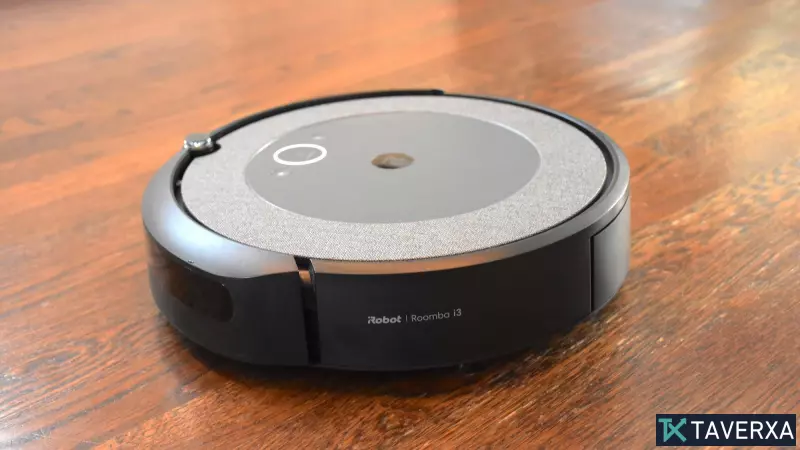
Many of the industry's biggest names—including iRobot (Roomba), Roborock, Dreame, and Ecovacs—rely heavily on manufacturing chains based in China. Under the new rules, these companies will be prohibited from importing new models into the U.S. unless they can secure specific waivers.
Interestingly, reports from The Verge suggest that the FCC is less interested in auditing the actual security protocols of these machines and more interested in the geography of their production. The government is pushing for a definitive commitment from these companies to shift their manufacturing, design, and testing processes to the United States.
What Happens to Your Current Robot Vacuum?
For the average consumer, there is some immediate relief. The ban is not retroactive. This means:
- Devices already owned and operating in U.S. homes are safe.
- Inventory that has already been imported and is currently sitting in retail warehouses can still be sold.
- Previously authorized models are not subject to immediate seizure.
However, the long-term landscape is changing. If manufacturers cannot obtain waivers or move their factories to U.S. soil, new model releases from these brands will simply vanish from the American market.
Final Verdict: Should You Buy Now?
If you have been eyeing a high-end robot vacuum or an automated mower, the window of opportunity may be closing. While the industry will likely adapt, the transition to domestic manufacturing will take years and may result in higher price points for consumers. For those seeking the latest in robotic cleaning technology, acting now may be the only way to ensure you get the specific foreign-designed model you want before the import gates close.