The Phenomenon of Jimothy: Distinguishing the Real Viral Raccoon from AI-Generated Chaos
Is Jimothy the viral raccoon real or AI? Discover the truth behind Seattle's most famous raccoon and how generative AI turned a real animal into a digital legend.
The Raccoon That Broke the Internet
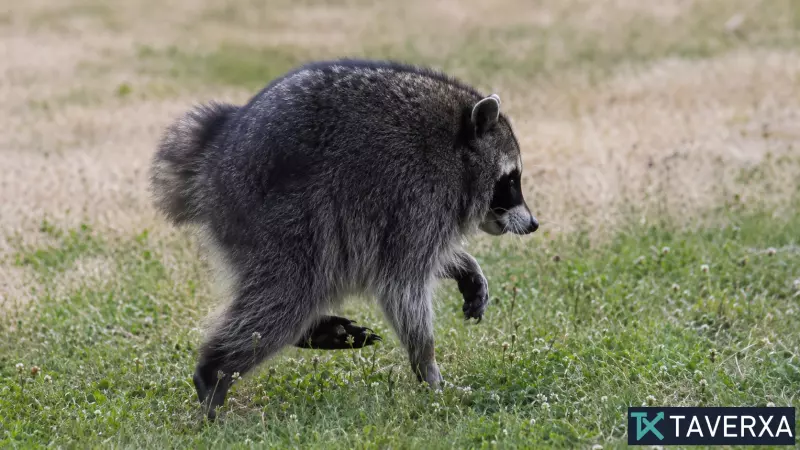
In the vast ocean of social media content, few figures have captured the public's imagination as rapidly as Jimothy. The unusually compact and spherical raccoon became an overnight sensation after Kiana Hall, a marketing specialist based in Seattle, spotted him near a Ballard Goodwill on July 13. What began as a curious encounter—where Hall initially mistook the animal for a cat hiding under a parked car—quickly evolved into a global digital phenomenon.
The secret to Jimothy's allure lies in his unique anatomy. Jimothy suffers from short spine syndrome, a biological disorder that results in a missing neck and a distinctively round, compact body. This physical trait makes him look less like a typical urban scavenger and more like a character from a fantasy RPG or a legendary cryptid sighting. Within days of his debut on Instagram, the clip had amassed over 7 million views, sparking a wave of affection and curiosity across the web.
From Seattle Streets to Global Celebrity
The real-world response to Jimothy has been nothing short of surreal, mirroring the unusual nature of the raccoon himself. In a display of genuine community enthusiasm, Jimothy has transcended his status as a wild animal to become a cultural icon in the Pacific Northwest.
His influence has manifested in numerous unexpected ways:
- Sports Culture: The Seattle Mariners integrated a Jimothy mascot into their traditional Salmon Run race at T-Mobile Park. To the delight of fans, the mascot won, coinciding with a three-game winning streak for the team.
- Digital Easter Eggs: Google honored the raccoon by adding an interactive search animation; searching for "Jimothy" triggers a small, animated raccoon that scampers across the user's screen.
- Academic and Civic Honors: In a series of whimsical tributes, Jimothy received an honorary degree from the University of Washington and formal recognition from the Seattle City Council. He even managed to garner a shout-out from the White House.
- Fan Art and Tattoos: From murals in the city to permanent ink on fans' skin, Jimothy has become a symbol of quirkiness and resilience.
The AI Mirror: Where Reality Ends and Generative Art Begins
While the physical raccoon known as Jimothy is 100% real, the version of him that currently dominates many social media feeds is a product of artificial intelligence. Because Jimothy's real-life proportions already push the boundaries of what we expect from nature, he has become the ideal candidate for generative AI experimentation.
Digital artists and enthusiasts have begun feeding Jimothy's image into advanced generative models, such as Google's Veo and Elon Musk's Grok. The result is a "Cinematic Jimothy Universe" where the raccoon is seen casting spells, riding dragons, or exploring surreal landscapes. The gaming industry has also joined in; Blizzard Entertainment and Jagex created tribute renderings of Jimothy in the styles of World of Warcraft and Old School RuneScape, while D&D Beyond released an official stat block for tabletop players to include him in their campaigns.
The Science of the 'Uncanny Valley' Deception
Why are so many people struggling to differentiate between the real Jimothy and the AI versions? The answer lies in the "uncanny valley" effect. Usually, the uncanny valley refers to the feeling of unease when a humanoid robot looks almost, but not quite, human. In Jimothy's case, his biological reality is so atypical that it mimics a digital glitch.
When a living creature already looks like it was designed in a game engine, our natural skepticism toward CGI is lowered. This biological anomaly, combined with the heavy compression of mobile video platforms—which often smooths out the visual artifacts typically used to identify AI generation—creates a perfect storm for digital deception.
Ultimately, Jimothy serves as a fascinating case study in the intersection of nature and technology. He is a reminder that while AI can create breathtaking illusions, the most captivating things in the world are often the real, flawed, and wonderfully weird creatures living right in our own backyards.