The Lost Sequel: How American Teens Nearly Killed the Zelda Franchise and Cancelled Wind Waker 2
Discover how the reaction of American teenagers led Nintendo to cancel the sequel to The Legend of Zelda: The Wind Waker to save the entire franchise.
A Bold Departure and a Divided Reception
For four decades, The Legend of Zelda has been a cornerstone of the gaming industry, evolving through various styles and gameplay mechanics. However, not every entry was an immediate hit. One of the most fascinating examples is The Legend of Zelda: The Wind Waker. Today, it is widely revered for its artistic courage and timeless charm, but its initial launch was far more tumultuous than many remember.
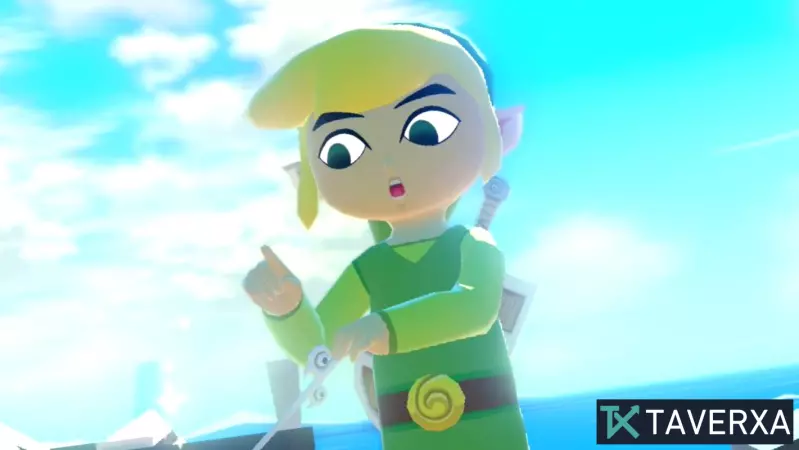
When The Wind Waker first debuted, it introduced a radical departure from the series' established visual identity. Moving away from the realistic tones of Ocarina of Time and Majora's Mask, Nintendo opted for a vibrant, stylized 'toon-shading' approach. While this is now praised as a masterstroke of art direction, the initial reaction—particularly in the West—was polarized.
The Secret History of Wind Waker 2
Recent insights from the YouTube channel Did You Know Gaming have shed light on a surprising piece of gaming history: Nintendo had originally planned a direct sequel to The Wind Waker. This wasn't just a vague idea, but a project that was seriously considered before being abruptly scrapped.
The decision to cancel the sequel stems from a revelation made by Eiji Aonuma during the 2007 Game Developers Conference. Aonuma noted that despite the game crossing the million-copy sales milestone, the momentum was fading rapidly. This decline was most evident in North America, a market that was significantly more dynamic and influential than Japan at the time.
The 'Teenager' Factor: Why the Art Style Failed
When Aonuma questioned Nintendo of America about the slowing sales, the feedback was blunt: the toon-shading was a deterrent. To the American audience of the early 2000s, the cartoonish aesthetics made the game feel as though it were designed for young children rather than the core gaming demographic.
"For this reason, it alienated teenagers, who until then constituted the typical audience," Aonuma explained. This demographic shift was critical. Because the proposed sequel to The Wind Waker was intended to follow the same visual path, Nintendo realized that continuing in this direction could be a catastrophic mistake. Aonuma went as far as to suggest that insisting on this art style for the North American market "could have signed the end of the franchise." To save the brand, Nintendo pivoted entirely.
The Silver Lining: The Birth of Twilight Princess
While fans of the Great Sea may feel a sense of loss knowing a sequel was cancelled, this strategic pivot led to the creation of The Legend of Zelda: Twilight Princess. Designed specifically to satisfy the demand for a more "mature," realistic, and gritty Zelda experience, Twilight Princess became a massive critical and commercial success, cementing the franchise's stability for years to come.
The legacy of The Wind Waker eventually shifted from being a "risky experiment" to a "beloved classic," proving that audiences often grow to love innovation—even if they initially resist it. With the current trend of high-fidelity remakes and the anticipation surrounding new hardware, fans are left wondering if Nintendo will ever revisit the high seas of the first Wind Waker in a modernized form.