The LG TV Report Card 2026: Successes, Failures, and the Path Forward
We evaluate LG's 2026 TV lineup, grading their performance, design, and software to see if they remain the leaders in the OLED television market.
A New Era for LG TVs
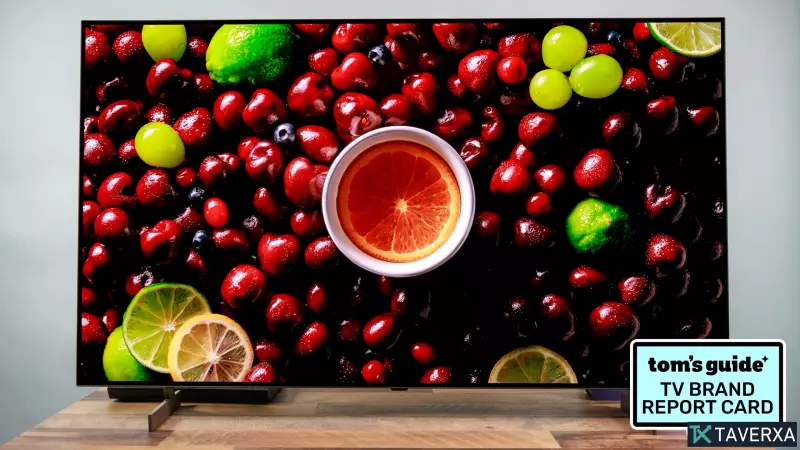
When shopping for a television, you aren't just buying hardware; you are investing in a brand ecosystem. In 2026, LG stands as a titan in the industry, particularly known for its dominance in the OLED market. As part of our comprehensive review of top TV manufacturers, we have graded LG on its current standing in pricing, design, feature sets, performance, and its smart platform, webOS.
Pricing: A Consistent Leader
LG has effectively democratized high-end OLED technology. While premium models remain expensive, LG has refined its tiered pricing structure, making its mid-range OLEDs highly competitive. With consistent, reliable discount cycles throughout the year, models like the C-Series typically hit a 'sweet spot' for value, dropping to between $1,500 and $1,800 for 65-inch panels after their initial release window. Grade: B
Design: Elegant but Impractical
LG’s aesthetic remains top-tier, characterized by ultra-thin panels and elegant stands. The G-Series, in particular, offers a stunning flush-mount gallery aesthetic. However, the design language often overlooks practical user needs; the low-profile stands often obstruct soundbars, a common grievance for home theater enthusiasts. We did note, however, the successful reintroduction of the W6 Wallpaper OLED, showcasing LG's continued innovation in form factor. Grade: B+
Features: The Industry Benchmark
When it comes to features, LG continues to lead the pack. While competitors often match them on paper, LG maintains a distinct edge through superior support for HDR standards like Dolby Vision. Combined with robust HDMI 2.1 support and advanced 120Hz gaming capabilities across their lineup—including entry-level models—LG remains the gold standard for gamers and cinephiles alike. Grade: A
Performance: Closing the Gap
LG has steadily narrowed the performance gap with rivals like Sony. While Sony still holds a slight lead in high-end upscaling, LG’s engineers have shown incredible agility in addressing consumer feedback and patching HDR performance post-launch. Though their standard OLED panels still fall slightly behind QD-OLED alternatives in color volume, the overall picture quality remains a stellar achievement. Grade: A-
The Smart TV Struggle: webOS
If there is one area where LG falters, it is the user interface. webOS is functional, but it has become increasingly cluttered. The recent integration of unnecessary, aggressive AI-based features and persistent sponsored content makes navigating the platform feel like a chore. For a premium television, users deserve a cleaner, more intuitive experience. Grade: C+
Looking Ahead to 2026 and Beyond
Overall, LG has earned a B+ grade. They are producing the most versatile TVs on the market, balancing high-end performance with features that matter to real-world users. For 2026, our primary recommendation remains the C6 OLED, which offers nearly flagship-level performance at a reasonable price point. To improve in the coming years, LG must refocus its software development on user experience rather than intrusive AI clutter, and ensure that physical design choices prioritize standard home theater configurations.