The iPhone Ultra Dilemma: Why Apple's Foldable Delay is a Win for Samsung
New leaks suggest the iPhone Ultra is facing production delays just as Samsung launches the Galaxy Z Fold 8. Is Apple's pursuit of perfection holding them back?
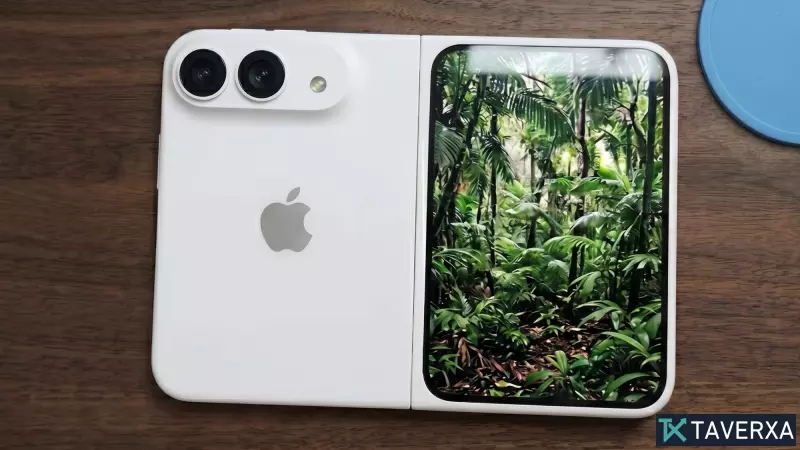
The Endless Wait for the iPhone Ultra
For years, the tech world has been gripped by a single, recurring question: when will Apple finally release a foldable iPhone? For enthusiasts, the anticipation has shifted from excitement to a state of perpetual frustration. Recent leaks suggest that the long-awaited "iPhone Ultra" is facing significant production hurdles, leaving users to wonder if Apple is chasing a level of perfection that is simply unattainable in the current hardware landscape.
The latest reports from DigiTimes indicate that while mass production may have technically begun, the process is plagued by "final mass-production adjustments." This suggests that the transition from prototype to consumer-ready product is proving far more difficult than anticipated. For a company that prides itself on seamless execution, these hiccups are causing a ripple effect of uncertainty across the supply chain.
Samsung's Triumphant Hold on the Market
While Apple struggles with production adjustments, Samsung continues to refine and dominate the foldable sector. The recent launch of the Galaxy Z Fold 8 is a testament to Samsung's maturity in this space. With a "passport-style" screen and a level of refinement that rivals Apple's conceptual ambitions, Samsung has effectively closed the gap on any theoretical advantage Apple might have had.
The contrast is stark: Samsung is iterating on a proven product line, while Apple is still trying to figure out how to launch its first. By the time an iPhone Ultra hits the shelves, it won't be competing against the first generation of foldables, but against a highly evolved Samsung ecosystem that has already solved the most glaring issues of foldable technology.
The Perfectionist's Trap: Apple's Strategic Struggle
Apple's delay is likely rooted in its obsession with the "perfect" product. Reports suggest that the hinge structure and display durability are the primary sticking points. Apple is reportedly unwilling to release a device with a visible crease—a hallmark of nearly every foldable on the market. However, this pursuit of an impossible dream may be becoming a liability.
This isn't the first time Apple's perfectionism has led to high-profile setbacks. The Apple Car project serves as a cautionary tale; a decade of development ended in cancellation because the company couldn't bridge the gap between an ambitious vision and a viable product. Similarly, the Apple Vision Pro spent years in a rumor cycle before its eventual release, creating a sense of "innovation fatigue" among the public.
What to Expect: Price, Production, and Timing
Despite the delays, the appetite for a foldable iPhone remains immense. Rumors suggest a staggering starting price of around $2,500, positioning it as a luxury status symbol rather than a mass-market device. Apple has reportedly eyed a production target of 10 million units, but whether Foxconn can meet this demand amid ongoing adjustments remains to be seen.
Speculation continues to swirl around a potential launch alongside the iPhone 18 Pro series in September. However, the pattern of Apple's recent history suggests that a staggered release—where the Ultra arrives months after the flagship Pro models—is a more realistic outcome. Until a firm date is announced, the iPhone Ultra remains a phantom of the tech industry: always promised, yet never quite here.