The Best 50-Inch TVs of 2026: Top Picks for Movies, Gaming, and Budget Buyers
Discover the best 50-inch TVs for 2026. From the premium LG C5 OLED to the budget-friendly Hisense QD7, find the perfect screen for movies and gaming.
Finding the Sweet Spot: Why 50-Inch TVs?
When shopping for a new television, the 50-inch class represents a critical middle ground. It offers significantly more immersive screen real estate than 43-inch models while remaining compact enough to fit comfortably into bedrooms, dorms, or smaller apartment living rooms. For many consumers, this size provides the ideal balance between cinematic impact and spatial practicality, all while typically being more affordable than the massive flagship screens.
The Top 3 Recommendations
1. Best Overall: LG C5 OLED
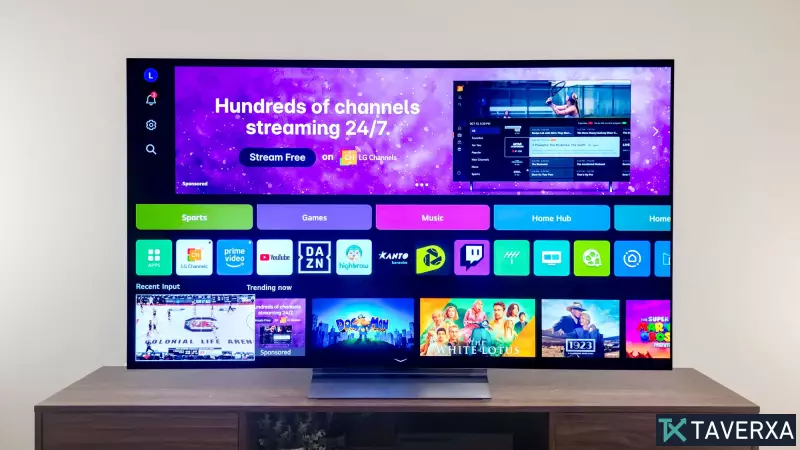
If budget is less of a concern than performance, the LG C5 remains the gold standard for the 50-inch category (though technically a 48-inch panel). Despite being a slightly older model compared to the C6, the C5 is currently the best value proposition in the high-end market due to recent price drops.
Performance Highlights: The C5 is lauded for its extraordinary brightness and color vibrancy. With a native 120Hz refresh rate and four HDMI 2.1 ports, it is a powerhouse for both cinematic content and high-frame-rate sports. The 'Filmmaker Mode' allows movie enthusiasts to experience content exactly as the director intended.
- Pros: Exceptional contrast, minimal reflections, and high-caliber gaming features.
- Cons: The unique remote may not suit everyone, and audio quality is average.
2. Best Budget Option: Hisense QD7 QLED
For those looking to upgrade without breaking the bank, the Hisense QD7 is an anomaly in the budget sector. Often priced under $300, it delivers performance that punches far above its weight class.
Performance Highlights: The integration of quantum dot crystals allows for impressive color accuracy and vibrancy. Local dimming capabilities ensure that darker scenes retain depth, making it a surprising contender for movie nights. However, buyers should be aware of the 60Hz refresh rate, which can lead to slight motion blur during fast-paced action.
- Pros: Incredible value, supports Dolby Vision, and strong upscaling.
- Cons: Sluggish Fire TV interface and struggles in very bright rooms.
3. Best for Gaming: Samsung S90F OLED
While the LG C5 is versatile, the Samsung S90F is a specialized beast for gamers. Combining a stunning OLED panel with cutting-edge software, it is designed specifically for the console generation.
Performance Highlights: The S90F boasts an incredibly low input lag of just 9.1ms, giving competitive players a slight edge. Its standout feature is the Samsung Gaming Hub, a centralized cloud gaming portal that automatically enables 'Game Mode' the moment a console is detected. The contrast is near-perfect, ensuring that shadowy environments in modern titles look atmospheric and crisp.
- Pros: Near-perfect contrast, exceptional response times, and a sleek, thin design.
- Cons: Lack of Dolby Vision support and mediocre built-in audio.
Alternative Options and Also Tested
In our extensive testing, several other models crossed our benches. The LG B6 is a solid entry-level OLED, but the C5 usually offers better brightness for a similar price. The Sony Bravia 7 II offers flagship-grade deep blacks, but its steep pricing makes it hard to recommend over the OLED options. Similarly, the Vizio Mini-LED Quantum 4K is a great budget alternative if you can tolerate an ad-heavy user interface.
Buying Guide: How to Choose the Right 50-Inch TV
To ensure you get the most out of your investment, consider these three primary factors:
- The Viewing Environment: If your room is flooded with sunlight, prioritize TVs with high peak brightness and anti-glare coatings. For dedicated dark-room viewing, OLED's perfect blacks are indispensable.
- Refresh Rate Requirements: 60Hz is sufficient for standard streaming and movies. However, if you own a PS5 or Xbox Series X, a 120Hz panel is essential to avoid screen tearing and motion blur.
- Software Ecosystem: Consider whether you prefer the seamless integration of LG's webOS, the gaming-centric Tizen from Samsung, or the content-heavy (though often slower) Fire TV platform.