Samsung TV Report Card 2026: Exceptional High-End Performance Meets a Frustrating Interface
Discover the 2026 Samsung TV report card. We analyze the pricing, design, features, and performance of Samsung's OLED, QLED, and Micro RGB lineups.
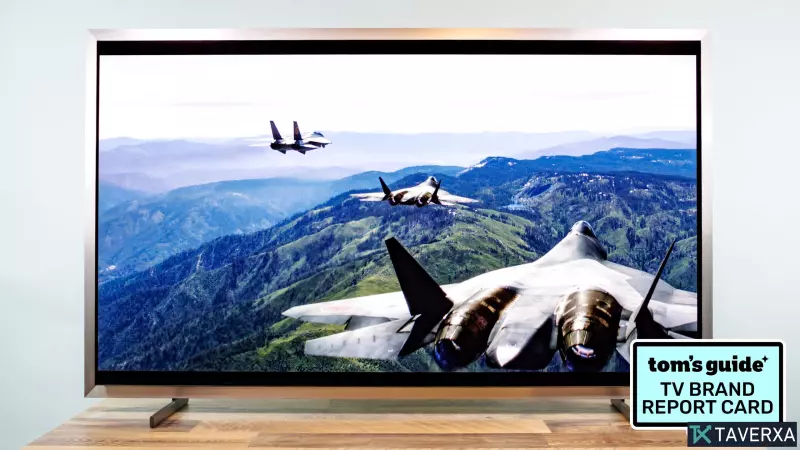
The State of Samsung Display Technology in 2026
When shopping for a new television, consumers often obsess over specs—peak brightness, contrast ratios, and price tags. However, as we move into 2026, buying a TV is as much about investing in a brand's ecosystem and design philosophy as it is about the hardware. Samsung continues to be a juggernaut in this space, offering a diverse portfolio that ranges from accessible QLEDs to the bleeding edge of Micro RGB technology.
This year, Samsung is pushing the boundaries of light and color with a bold bet on RGB LEDs, alongside a refined lineup of OLED and Neo QLED panels. But does the brand deliver consistently across all price points? Our comprehensive 2026 report card breaks down where Samsung excels and where it falls short.
Pricing: The Luxury Premium (Grade: B-)
Samsung occupies a tricky middle ground in the market. While they aren't as prohibitively expensive as Sony, they rarely beat the value proposition of challengers like TCL or Hisense. At the entry-level, this gap is most apparent. For instance, the Samsung Q7F QLED lacks the Mini-LED and local dimming capabilities found in similarly priced rivals like the TCL QM5K.
However, as you move up the ladder into mid-range and flagship territory, the pricing becomes more competitive. Samsung's OLED options, such as the S90H, often trade blows with LG's C-series in terms of pricing. While flagship models like the S95H OLED and R95H Micro RGB are among the most expensive on the market, they remain within a reasonable range of LG's top-tier offerings, though they are still significantly more affordable than Sony's high-end Bravia lineup.
Design: A Masterclass in Aesthetics (Grade: A-)
Design is where Samsung truly dominates. They have mastered two distinct ends of the spectrum: creating premium-looking budget TVs and pioneering innovative high-end hardware. Their budget QLEDs benefit from simpler display stacks, allowing for slimmer, lighter chassis that look far more expensive than they actually are.
Furthermore, Samsung continues to lead the 'Lifestyle TV' movement via The Frame, which has influenced an entire industry to treat TVs as art. For those spending more, Samsung offers bold, high-end flourishes: the One Connect Box for streamlined cable management, a striking metallic frame on the S95H, and the highly praised Glare-Free matte displays that drastically reduce reflections in bright rooms.
Features: Great Hardware, Missing a Key Standard (Grade: B)
The primary frustration for A/V enthusiasts remains the same in 2026: the total absence of Dolby Vision. Samsung continues to shun Dolby's proprietary HDR format in favor of their own standards and HDR10. While most casual viewers won't notice the difference, home theater purists find the lack of creator-led metadata a significant oversight.
Beyond that, the feature set is robust. Once you move past the entry-level models—which often lack HDMI 2.1—the mid-to-high range is a gamer's paradise. The S85H, S90H, and S95H OLEDs are fully equipped with HDMI 2.1, supporting 4K gaming at 120Hz, Variable Refresh Rate (VRR), FreeSync, and G-Sync compatibility.
Performance: Powerhouse Processing (Grade: A-)
Samsung's performance strategy is clear: lean on superior processing to mask hardware limitations in budget sets, and push the envelope with cutting-edge tech in premium sets. While TCL and Hisense might offer better raw brightness in the budget category, Samsung's picture processing is typically more refined, handling skin tones and upscaling with greater accuracy.
At the top end, Samsung is virtually untouchable. The R95H Micro RGB is a benchmark for LED technology, and the S95H is arguably one of the finest QD-OLEDs ever produced. From light bloom minimization to incredible color volume, the high-end Samsung experience is exceptional.
The Achilles' Heel: Tizen OS (Grade: C+)
The most significant drag on Samsung's overall score is the Smart Hub. While Tizen OS has improved its navigation, the user experience remains a chore. The interface is cluttered with aggressive advertisements and 'AI-related' features that often feel like invasive bloatware rather than helpful tools. Additionally, the default behavior of Samsung TV Plus automatically starting upon power-up can be jarring.
Compared to the streamlined experience of Roku or the intuitive nature of Google TV, Tizen feels like a platform designed for the manufacturer's profit rather than the user's convenience.
Final Verdict: Overall Grade B
Samsung is a brand that rewards those who spend more. If your budget is under $700, a TCL or Hisense model will likely give you more hardware for your money. However, for those investing in a mid-range or flagship experience, Samsung is a safe and exciting bet.
For most consumers in 2026, the Samsung S85H is the sweet spot. As an entry-level OLED, it offers stunning contrast and most of the high-end features at a fraction of the cost of the S95H flagship, making it the most logical recommendation for the average living room.