Samsung Galaxy Z Fold 8 Debuts Silicon Carbon Battery: A Game-Changer for Foldable Longevity
Samsung's Galaxy Z Fold 8 is the first Galaxy device to feature a silicon carbon battery, offering higher energy density for thinner, lighter, and longer-lasting foldables.
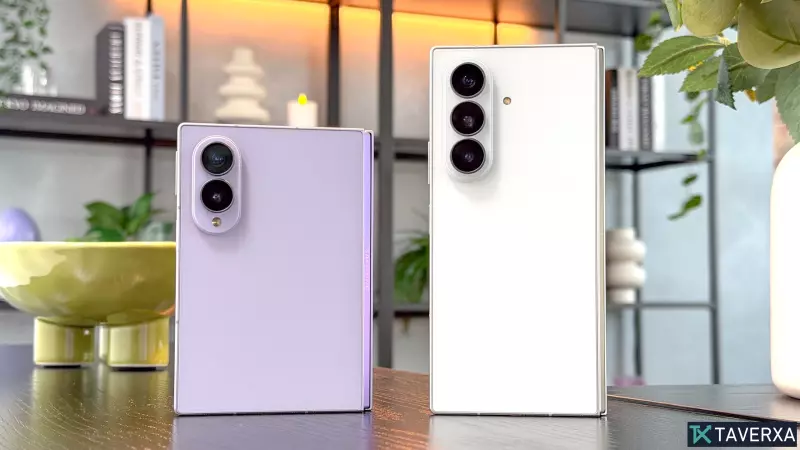
A New Era of Power for Samsung Foldables
Samsung is ushering in a significant technological shift with the introduction of the Galaxy Z Fold 8 series. For the first time in the Galaxy ecosystem, Samsung has officially transitioned from traditional lithium-ion power packs to advanced silicon carbon batteries. This move represents more than just a marginal increase in capacity; it is a fundamental redesign of how energy is stored in mobile devices, specifically tailored to solve the unique challenges of foldable hardware.
While Samsung had previously been hesitant to commit to a specific timeline for this technology, the pressure from competitors and the inherent physical constraints of foldable design have accelerated the rollout. As the industry pushes for thinner profiles and longer endurance, the switch to silicon carbon is a strategic necessity.
Understanding Silicon Carbon: The Tech Behind the Power
To understand why this is a "big deal," one must first understand the limitation of standard batteries. In traditional lithium-ion batteries, graphite is used on the anode. While reliable, graphite has a ceiling regarding how much energy it can hold relative to its size. This creates a constant struggle for engineers: to get more battery life, you must make the device thicker and heavier.
Silicon carbon batteries replace pure graphite on the anode with a silicon-based composite. Silicon is capable of holding significantly more lithium ions than graphite, which translates to a much higher energy density. This means Samsung can now pack more milliampere-hours (mAh) into the same physical footprint, or maintain the same capacity while drastically reducing the thickness of the device.
Impact on the Galaxy Z 8 Series Lineup
The adoption of this technology allows Samsung to balance the "two phones bolted together" nature of foldables without making them cumbersome. The benefits are evident across the new lineup:
- Galaxy Z Fold 8 Ultra: This top-tier model sees a jump to a 5,000 mAh battery, a 600 mAh increase over the Z Fold 7, yet it remains almost identical in size and shape.
- Galaxy Z Fold 8: This model features a 4,800 mAh capacity and has the distinction of being the lightest book-style foldable Samsung has ever released.
- Galaxy Z Flip 8: While still the smallest of the bunch, the Flip 8 utilizes this tech to maintain a 4,300 mAh capacity within its compact frame.
For comparison, the industry is already seeing the fruits of this labor in other devices, such as the OnePlus 15, which managed a massive 7,300 mAh battery while actually being thinner than its predecessor.
Overcoming the "Note 7" Legacy
Samsung's caution regarding silicon carbon was not without reason. The company's history is scarred by the Galaxy Note 7 disaster, where a flawed battery design led to widespread overheating and recalls. Kadesh Beckford, Smartphone Specialist Product Manager at Samsung, noted that the transition was only made after the technology passed "very rigorous validation standards."
By waiting until the tech was mature and proven by other manufacturers, Samsung has mitigated the risks. The move now positions them to compete with rumors of an increasingly heavy iPhone 18 Pro Max, offering a path toward high-capacity power without the weight penalty.
The Future of Mobile Energy
With the Z Fold 8 leading the way, it is expected that silicon carbon technology will eventually trickle down to the standard S-series phones. As Apple and Google continue to rely on traditional lithium-ion designs, Samsung's pivot could give them a decisive edge in the "thin-and-light" wars of the late 2020s, ensuring that the next generation of AI-driven smartphones has the juice to support their demanding features.