Power Struggle in the Gulf: Iran and Oman Clash Over Control of the Strait of Hormuz
Explore the geopolitical tension between Iran and Oman over the control and reopening of the Strait of Hormuz, and the diplomatic efforts to avoid a full-scale naval war.

The Strategic Standoff
The Strait of Hormuz, a narrow 24-mile-wide waterway, has become the primary battlefield of wills between Iran and the international community. As the world's most critical oil transit chokepoint, the strait serves as Tehran's most potent bargaining chip in its high-stakes negotiations with the United States. Currently, every nautical mile of the waterway is being contested, transforming a transit route into a test of geopolitical patience and strategic dominance.
The Memorandum of Understanding and the Blockade
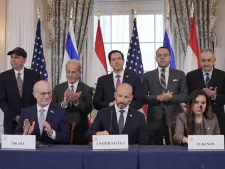
Under a memorandum of understanding signed with Washington on June 18, a complex sequence of events was established: substantive discussions regarding Iran’s nuclear program are not required to commence until the blockade of the strait is lifted. However, the language of the agreement is notably ambiguous, stating that Iran will use its "best endeavours" to achieve this opening. This phrasing provides Tehran with significant diplomatic cover, allowing them to maintain the blockade while technically adhering to the agreement.
From a strategic perspective, the prolonged blockade serves two purposes for Iran. First, it maintains leverage over the U.S. administration as the American midterm elections approach, potentially creating political pressure on the Trump administration. Second, it ensures that Iran remains the central decision-maker in any resolution, even as the regime faces internal pressure from an inflation-ravaged electorate.
The Failed Southern Route Initiative
In an attempt to bypass the mine-ridden central channels, the UN’s International Maritime Organization (IMO) proposed a dual-lane shipping system. This plan included a southern route hugging the Omani coastline, overseen by the US Joint Maritime Information Center, and a northern route closer to Iran. While the IMO believed it had secured Iranian consent, the reality on the water proved different.
The plan collapsed abruptly after Iran attacked a Singaporean cargo ship utilizing the southern route. This aggression signals Tehran's maximalist interpretation of the memorandum: the belief that Iran alone possesses the prerogative to lift the blockade and dictate the terms of navigation. Iranian Foreign Minister Abbas Araghchi reinforced this stance in Baghdad, warning that any "separate arrangements" outside of the Islamic Republic's framework would only exacerbate tensions and delay the reopening of the waterway.
Oman’s Diplomatic Gambit
Amidst this volatility, Oman has emerged as a crucial, albeit precarious, mediator. Known for its neutrality, Muscat has spent two months developing a detailed legal framework for the long-term management of the strait. Oman's goal is to create a system that balances international law with Iran's desire for regional influence.
A key point of contention is the funding of the strait's operations. While Article 26 of the law of the sea forbids the imposition of tolls for mere passage, Article 43 allows for the cooperative funding of specific maritime services. Omani Foreign Minister Badr al-Busaidi has clarified that Oman does not support illegal tolls but is negotiating "service fees" for navigational aids—a legal distinction crafted with high-level British commercial legal advice.
The Threat of Naval Escalation
The stakes for Oman are immense. If Muscat pushes too hard against Tehran's objections, it risks losing Iran's cooperation entirely. However, if Oman fails to lead a humanitarian operation to rescue thousands of sailors trapped by the blockade, the international community may lose faith in a diplomatic solution. The alternative is grim: a full-scale naval task force, potentially led by UK Prime Minister Keir Starmer and French President Emmanuel Macron, is reportedly ready to deploy to police freedom of navigation by force. The Sultan of Oman continues to argue that adopting the Omani management plan is the only viable way to prevent the region from sliding back into all-out war.