Strait of Hormuz: The Strategic 'Instrument of Power' in Escalating US-Iran Tensions
Iran labels the Strait of Hormuz its 'greatest instrument of power' as it sets strict conditions for resuming final-deal negotiations with the US.
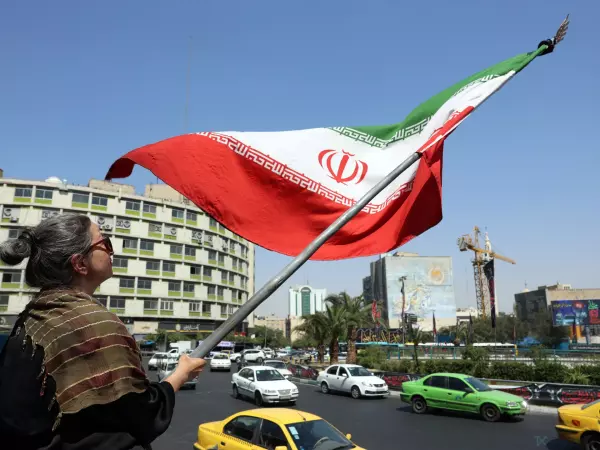
As geopolitical tensions continue to simmer, Iran has recalibrated its diplomatic and military rhetoric, explicitly labeling the Strait of Hormuz as its 'greatest instrument of power.' This declaration comes at a critical juncture in the ongoing US-Israel conflict with Iran, signaling a firm stance ahead of high-stakes negotiations.
Hardline Preconditions for Dialogue
Tehran has maintained a rigid position regarding the transition from interim agreements to a final settlement. Iranian leadership, represented by top negotiator Mohammad Bagher Ghalibaf, has made it clear that substantive discussions on a comprehensive deal will remain frozen until three key conditions are met: the cessation of hostilities in Lebanon, the formal waiving of US oil sanctions, and the release of substantial frozen Iranian financial assets.
Diplomatic Maneuvering in Doha
Parallel to the assertive rhetoric, back-channel diplomacy remains active. The Qatari Prime Minister and Foreign Minister, Sheikh Mohammed bin Abdulrahman bin Jassim Al Thani, recently hosted US envoys Steve Witkoff and Jared Kushner in Doha. The meetings aim to navigate the complexities of the existing Memorandum of Understanding (MoU) and bridge the gap between Tehran's demands and Washington’s strategic objectives.
The Strategic Significance of the Strait
By identifying the Strait of Hormuz as a primary instrument of power, Iran is reminding the global community of its capacity to influence global energy markets. As one of the world's most vital maritime chokepoints, the strait remains a focal point for regional security, with any disruption posing immediate risks to international shipping and oil prices. As regional players attempt to mediate, the world watches closely to see if diplomacy can override the escalating military posturing in the Middle East.
Related Posts