OLED vs. IPS: Why the Cheaper Laptop Screen Might Be the Smarter Choice in 2026
Is OLED always better? Discover why a cheaper IPS laptop screen might be the smarter choice for battery life, budget, and long-term performance in 2026.
The Allure of OLED: Is it Always Worth the Premium?
In recent years, OLED (Organic Light Emitting Diode) displays have transitioned from high-end niche technology to one of the most sought-after upgrades for laptop buyers. The appeal is undeniable: true blacks, infinite contrast ratios, and vibrant colors that make HDR content, cinema, and modern gaming look breathtaking. For many, ticking the OLED box is a reflexive decision when configuring a new machine.
However, as we navigate the laptop landscape of 2026, it is becoming increasingly clear that OLED isn't a universal win. For a significant portion of users—those who spend their hours in browser tabs, spreadsheets, and video calls—the traditional IPS (In-Plane Switching) LCD screen isn't just a 'budget' alternative; it is often the more strategic purchase.
When OLED Truly Shines
To be clear, OLED is not a gimmick. For specific workflows, the investment is completely justified. If you are a professional colorist, a video editor, or a hardcore gamer, the ability of OLED pixels to turn off completely creates a depth of image that IPS simply cannot replicate. In gaming laptops like the Asus ROG Zephyrus G14, this technology transforms the experience, providing an immersive visual fidelity that is essential for high-end media consumption.
If display quality is your absolute priority, the premium is worth paying. But for the average professional or student, the trade-offs begin to outweigh the benefits.
The Battery Life Trade-Off
One of the most critical, yet overlooked, downsides of high-resolution OLED panels is their power consumption. While OLED can be efficient when displaying dark themes, the high-brightness, high-resolution panels found in modern laptops often drain batteries significantly faster than their LED/IPS counterparts.
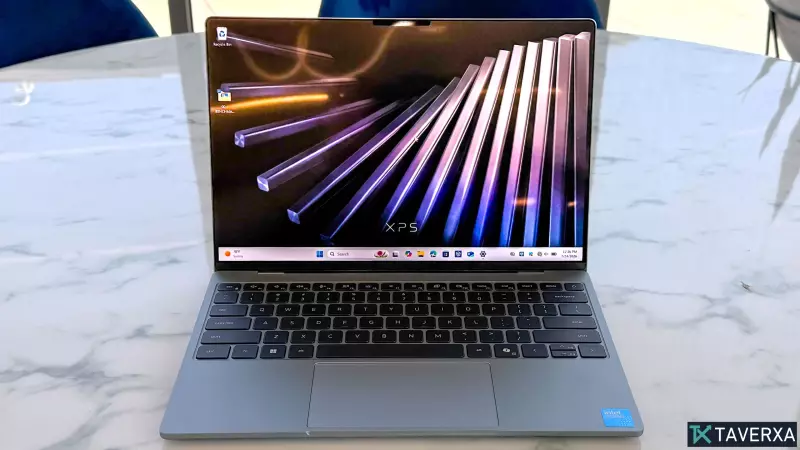
A striking example can be seen in the Dell XPS 14. In standardized web-browsing tests, the OLED configuration provided a respectable 12 hours and 23 minutes of life. In contrast, the lower-resolution LED version managed a staggering 20 hours and 41 minutes. For a mobile professional, an extra eight hours of productivity is far more valuable than the aesthetic luxury of 'perfect' blacks.
The 'Good Enough' Reality of Modern IPS
There is a persistent misconception that choosing IPS means settling for a dull or washed-out screen. In 2026, high-quality IPS panels are more than capable of delivering a premium experience. Many modern LCDs now feature 120Hz refresh rates, impressive peak brightness, and excellent sRGB color coverage.
The non-OLED Dell XPS 13, for instance, reaches nearly 400 nits of brightness and covers over 112% of the sRGB gamut, making it more than sufficient for almost any office or home task. Similarly, the Lenovo IdeaPad Slim 3i demonstrates that high-refresh-rate touchscreens are filtering down to more affordable models, proving that you don't need OLED to have a smooth, responsive, and bright visual experience.
Prioritizing Performance Over Pixels
perhaps the strongest argument against the OLED upgrade is the opportunity cost. Laptops often have limited budgets, and every dollar spent on a screen is a dollar not spent on the internal hardware that actually dictates the machine's lifespan.
With the rising costs of memory and storage, the price gap between an IPS and OLED model can often be the difference between 16GB and 32GB of RAM, or a 512GB SSD and a 1TB drive. Because RAM is frequently soldered onto the motherboard in modern ultrabooks, you cannot upgrade it later. A laptop with a slightly less vibrant screen but double the RAM will remain fast and capable for years longer than a visually stunning machine that chokes on multitasking.
Final Verdict: Buy the Laptop, Not the Screen
OLED has become a shorthand for 'premium,' leading many to believe that skipping it is a downgrade. In reality, the smartest buy is the one that aligns with your actual usage. If your laptop is a tool for documents, emails, and web browsing, prioritize battery longevity and internal specifications. Save the OLED premium for your home theater or a dedicated gaming rig, and choose the IPS model for a more balanced, durable, and cost-effective computing experience.