Nvidia RTX Spark Benchmarks Leak: Is the Era of Windows Laptop Dominance Upon Us?
Leaked Geekbench scores for Nvidia's new RTX Spark chip suggest a competitive shift in the laptop market. Discover how this ARM-based architecture compares to Apple and Intel.
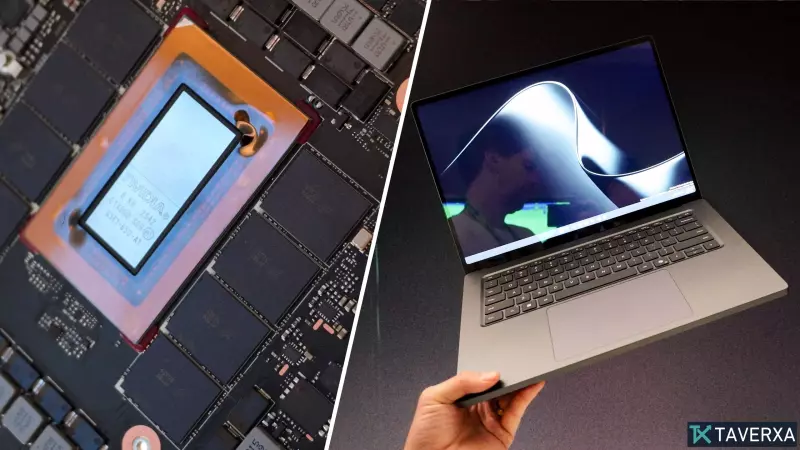
The Emergence of Nvidia's ARM-Based Powerhouse
Nvidia is poised to shake the foundations of the computing world with its highly anticipated RTX Spark platform. Initially teased by CEO Jensen Huang during Computex in May, this new architecture represents a significant departure from traditional x86 designs, signaling Nvidia's ambition to 'reinvent the PC.' With the platform now appearing in Geekbench database listings, we are getting our first concrete look at the performance capabilities of these upcoming ARM-based machines.
Analyzing the Geekbench Results
Recent leaks have provided data for the RTX Spark N1X chip in both 18-core and 20-core configurations. In the 20-core variant, the chip achieved a single-core score of 2,593 and an impressive multi-core score of 23,424. To put this in perspective, these figures place it in direct competition with Intel's high-end i9-14900KS processor, which scored 23,785 in comparable benchmarks.
Performance vs. Competition
While the RTX Spark showcases formidable multi-core performance, the single-core results lag behind some established industry leaders. This suggests that while the platform may handle intensive, multi-threaded workloads with ease, individual task responsiveness might be a point of optimization for future iterations. Nevertheless, when compared against the Apple M5 and Qualcomm Snapdragon X2 Elite, the RTX Spark holds its own, proving that Nvidia is a force to be reckoned with in the laptop space.
What to Expect This Fall
The RTX Spark platform is designed not just for raw processing power, but for a new generation of gaming and agentic AI capabilities, all while maintaining efficient power consumption. With support for DLSS 4.5 and a push for compatibility with major anti-cheat and DRM software, these laptops aim to provide a seamless transition for Windows users. Expected to launch this fall, the initial rollout includes hardware from major partners such as Asus, MSI, and Microsoft, marking a pivotal moment in the evolution of laptop architecture.