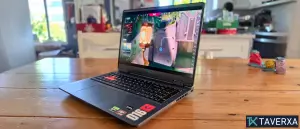
Microsoft's Bold AI Ambitions and the Economics of the Xbox Business Model
Microsoft is shifting its gaming strategy by integrating AI while managing the financial reality of losing $150 on every Xbox console sold. Learn how this shift changes the industry.
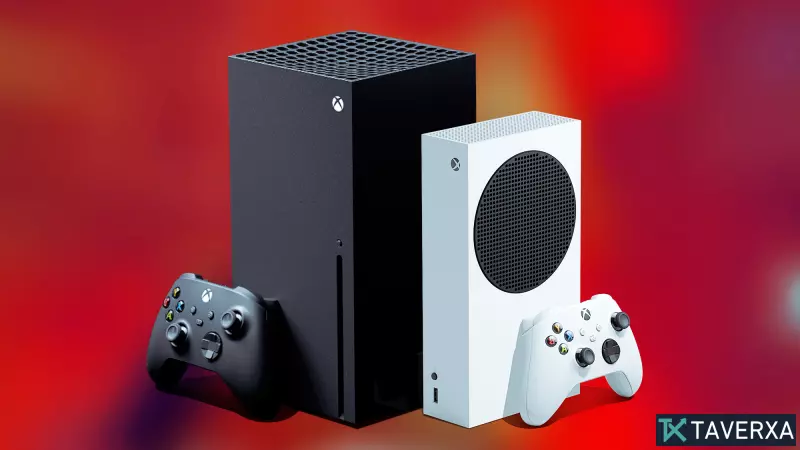
Microsoft is charting a bold new course for its gaming division, leaning heavily into artificial intelligence to reshape the future of the Xbox ecosystem. Recent industry reports have shed light on the complex economic reality of hardware manufacturing, revealing that Microsoft reportedly loses approximately $150 for every Xbox console sold. This financial strategy, common in the gaming industry, relies on making up the deficit through software sales, Game Pass subscriptions, and digital storefront revenue. However, the tech giant is looking beyond traditional hardware cycles.
The AI Revolution at Microsoft
Microsoft is doubling down on AI integration, signaling an aggressive push to transform how games are developed, played, and experienced. By leveraging its deep investments in AI infrastructure, the company aims to optimize production pipelines and potentially introduce generative elements that could personalize gaming experiences at an unprecedented scale. This shift is not just about features; it is about efficiency.
Can AI Solve the Hardware Margin Problem?
With high manufacturing costs affecting the bottom line, Microsoft is betting that AI could act as a catalyst for growth. If AI tools can significantly lower the barrier to entry for content creation or enhance the longevity of titles through dynamic, procedural gameplay, the company may be able to diversify its revenue streams effectively. By moving away from a hardware-centric focus, Microsoft hopes to turn its platform into a ubiquitous service accessible anywhere, potentially mitigating the reliance on console margins altogether.
The Future of Xbox
The path forward appears clear: Microsoft is transitioning toward a hybrid model that prioritizes cloud accessibility and AI-driven content. While the $150 loss per unit is a point of contention for market analysts, it is a strategic investment in user acquisition. If the current integration of AI bears fruit, it could fundamentally change the economics of the entire gaming sector, making the brand more resilient in an increasingly competitive market.