iPhone Ultra: Everything We Know About Apple's Highly Anticipated First Foldable
Explore the latest rumors about the iPhone Ultra, Apple's first foldable phone. Get details on the 2026 release date, crease-free display, A20 chip, and pricing.
A New Era for the iPhone: The Foldable Revolution
For years, the tech world has buzzed with rumors of a foldable iPhone, while competitors like Samsung and Google have already established a foothold in the market. However, 2026 is shaping up to be the definitive year that Apple finally disrupts the status quo. The rumored iPhone Ultra is not just another iteration; it is poised to be a turning point that could push foldable technology into the mainstream and challenge Samsung's current dominance in the sector.
Release Date and Pricing Speculations
According to current leaks, the iPhone Ultra is expected to make its grand debut during Apple's signature September event in 2026. While some reports suggest a launch alongside the iPhone 18 Pro and Pro Max, others hint at potential production hurdles that could push the release later into the year, mirroring the staggered launch seen with the iPhone X in 2017.
In terms of cost, the iPhone Ultra will likely be the most expensive consumer device Apple has ever released. Initial estimates placed the device around $2,000, but supply chain volatility and rising component costs have pushed predictions higher. Analysts now suggest a starting price between $2,400 and $2,500. Despite the premium price tag, demand is expected to be astronomical, with some sources claiming the device will sell out immediately upon release.
Design: The 'Passport' Form Factor
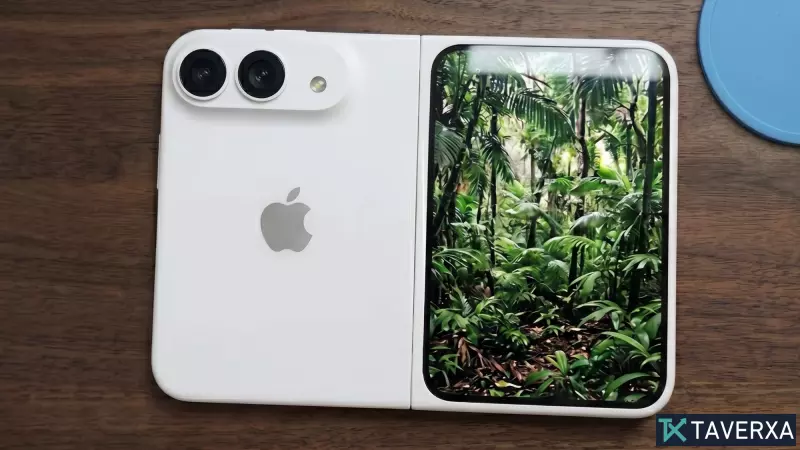
Moving away from the classic unibody slab, the iPhone Ultra is rumored to feature a "passport-style" design—shorter and wider than traditional book-style foldables. This hybrid approach aims to blend the portability of a phone with the utility of a tablet. To manage the added complexity of a hinge, Apple is expected to use a combination of titanium and aluminum to ensure durability without adding excessive weight.
The device is tipped to be incredibly slim. When unfolded, the iPhone Ultra could be as thin as 4.5mm, potentially making it the thinnest device in Apple's entire portfolio, beating even the latest iPad Pro. When closed, it is expected to measure between 9mm and 9.5mm.
The Quest for a Crease-Free Display
One of Apple's primary goals is to eliminate the visible crease that plagues most foldable screens. This "crease-free" experience is expected to be a central selling point. To achieve this, Apple is reportedly implementing several hardware innovations:
- Liquid Metal Hinge: A more durable, flexible hinge system to reduce stress on the screen.
- Ultra-Thin Glass: Specialized glass designed to withstand repeated folding.
- Structural Glass Mid-frame: Added rigidity to prevent warping.
- Optically Clear Adhesive: A new bonding method to ensure a seamless transition.
Leaks suggest Apple is targeting a crease depth of less than 0.15mm and an angle below 2.5mm to provide a nearly flat surface when unfolded.
Performance and Hardware Powerhouse
Under the hood, the iPhone Ultra is expected to be powered by the A20 chipset, rumored to be Apple's first processor built on TSMC's cutting-edge 2nm process. This transition is expected to deliver a 15% boost in speed and a 30% increase in power efficiency compared to the A19.
To support advanced Apple Intelligence and on-device AI features, the device will likely ship with at least 12GB of RAM. This is critical for powering high-end Siri AI capabilities, including expressive voice styles and improved real-time dictation.
Innovative Software and Camera Systems
The software experience will be a major shift. iOS 27 is expected to introduce "app adaptability," allowing applications to seamlessly transition between the 5.5-inch cover display and the expansive 7.8-inch internal screen. References to "foldstate" and "angledegrees" in beta software suggest a feature similar to Samsung's Flex Mode, where the screen can be split at 90 degrees for multitasking or gaming.
On the camera front, the thin chassis may limit the hardware. Rumors point to a dual-lens rear array—likely a 48MP main and a 48MP ultrawide lens—omitting the telephoto zoom found on Pro Max models. For selfies, expect 24MP sensors, with a possible under-display camera on the main screen and a small hole-punch on the cover display.
Battery Life and Power Management
To power the massive displays, the iPhone Ultra is rumored to house a 4,883 mAh battery. Given the slim design, Apple may employ a split-battery system, placing one power cell on each side of the hinge—a common practice in high-end foldables to balance weight and optimize space.