‘Humanity is a privilege’: Umar Khalid on his six years in an Indian jail without trial
Exclusive interview with activist Umar Khalid, who reflects on six years of detention without trial and his ongoing opposition to the Indian government.
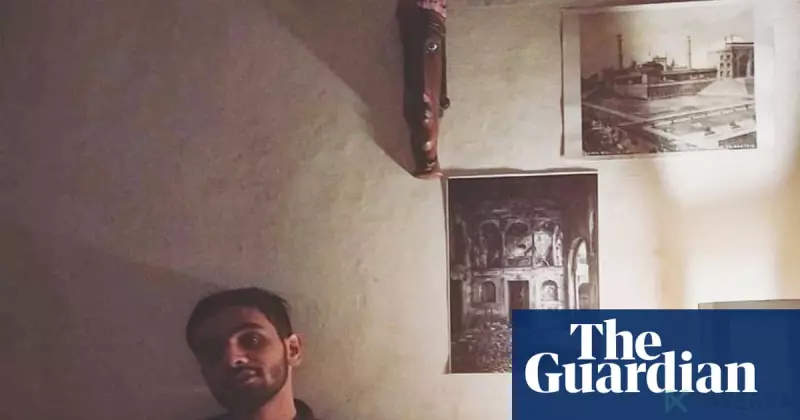
A Life Behind Bars: The Ordeal of Umar Khalid
For Umar Khalid, prisoner number 626714, the most grueling hour of the day is sunset. As the gates of Delhi’s Tihar prison open to allow inmates into the yard, the reality of his confinement—spanning six years without a trial—settles in. Reflecting on this psychological burden, Khalid notes a grim kinship with the 19th-century writer Fyodor Dostoevsky, who described the same haunting realization of another day lost to captivity.
A Symbol of Dissent
Once a prominent student activist at Jawaharlal Nehru University (JNU), Khalid transformed into a national figure during the 2019 anti-government protests. These demonstrations, ignited by a controversial citizenship law viewed by many as discriminatory against Muslims, represented one of the most significant challenges to Prime Minister Narendra Modi’s administration. By 2020, Khalid was arrested under stringent anti-terror laws, accused of being a 'key conspirator' in the devastating Delhi religious riots. He, along with his supporters and human rights organizations, firmly rejects these charges as part of a 'dystopian' political crackdown.
The Dehumanization of a Prisoner
Khalid, a fierce critic of the BJP’s Hindu nationalist agenda, describes how his public portrayal has been weaponized. Through the lens of state propaganda, he is often labeled a 'terrorist' or 'anti-national' by major media outlets. This public labeling has seeped into his life within prison, where even fellow inmates have internalized the narrative. 'Humanity is a privilege that is not granted to people like me,' he reflects, noting the immense toll the isolation has taken on his physical and mental well-being.
The Search for Justice
Despite the global outcry from human rights groups and even international political figures, Khalid remains incarcerated. His requests for bail have been repeatedly delayed, adjourned, or denied by the judiciary, leading to a state of perpetual uncertainty. While he acknowledges that his hope has 'slowly started dying out,' he remains committed to speaking out against what he calls a post-truth society. In his quiet moments, he draws strength from the legacy of revolutionaries, finding solace in the words of Bhagat Singh: 'I am that mad soul who is free even in captivity.' As his debut book, Fractured Communities, nears publication, the call for his fair trial continues to resonate within India’s embattled civil society.