How to Photograph a Solar Eclipse Safely: Protect Your Smartphone Sensor from Permanent Damage
Don't risk permanent sensor damage! Learn how to safely photograph a solar eclipse using your smartphone without causing dead pixels or hardware failure.
The Danger of the Darkened Sun
A solar eclipse is one of nature's most awe-inspiring spectacles, drawing millions of people outdoors with their smartphones in hand. However, behind the excitement lies a technical danger: the risk of permanent hardware damage to your device. Whether you are witnessing a partial eclipse in North America or totality in Europe, pointing your camera lens directly at the sun can be a costly mistake.
The primary risk is not just a blurry photo, but the physical destruction of your phone's camera sensor. Because a camera lens acts as a magnifying glass, it concentrates solar radiation into a pinpoint of intense heat. This concentrated energy can literally burn the photodiodes on your sensor, resulting in 'dead pixels'—permanent black or colored dots on your images that no software update or factory reset can ever repair.
The Science of Sensor Burn
Digital camera sensors are incredibly sensitive to light. When direct sunlight is focused through the optics, the heat generated can melt the internal components of the sensor. This damage is cumulative; while a few seconds of exposure might not immediately ruin the device, the heat builds up rapidly. This risk extends beyond smartphones to include DSLRs, binoculars, and telescopes. NASA has issued explicit warnings that any optical device used to view the sun without proper filtration can lead to hardware failure.
Safe Photography Techniques
You don't have to miss out on the memory of a lifetime to save your phone. Here are the most effective ways to capture the event safely:
1. The Eclipse Glasses Method
The most practical and immediate solution is to use ISO 12312-2 certified solar eclipse glasses. Instead of wearing them, hold one of the lenses directly over your smartphone's camera lens. The specialized filter blocks 99.99% of harmful rays, allowing the sensor to capture the image without overheating. While this may slightly reduce the professional quality of the frame, it ensures your phone remains functional.
2. Indirect Projection (Pinhole Method)
If you lack certified glasses, avoid the sun entirely by using a pinhole projector. By using a colander or a piece of cardboard with a small hole, you can project the image of the eclipsed sun onto a flat surface. Photographing the projection rather than the sun itself is 100% safe for both your eyes and your hardware.
3. The Totality Window
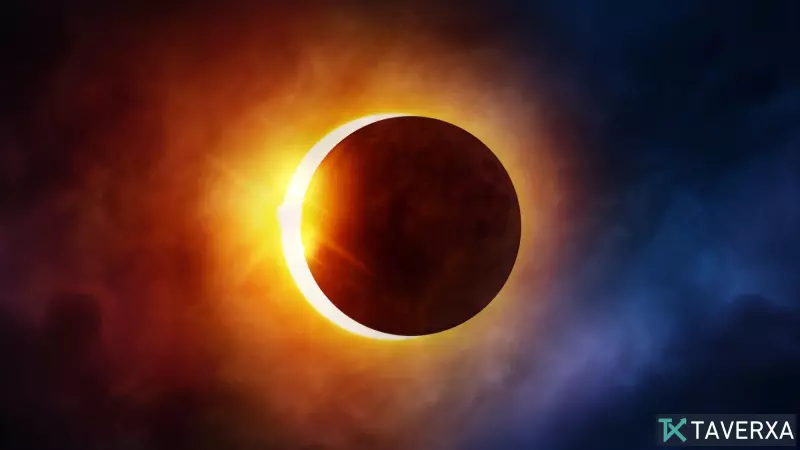
There is only one moment where direct photography is safe: totality. When the moon completely obscures the sun's face, you can safely photograph the solar corona. However, caution is paramount—the moment the first sliver of the sun reappears (the 'diamond ring' effect), you must immediately replace your solar filters.
Crucial Safety Warning: Protect Your Eyes
While saving your phone is important, saving your sight is critical. Never look through a camera viewfinder, optical sight, or telescope lens during a partial eclipse, even if you are wearing eclipse glasses. The optics concentrate the light far more intensely than the glasses can handle, and the rays can burn through the filter, causing immediate and permanent retinal damage. Always use the 'point and shoot' method via the screen or trust your framing without looking through the lens.