Hisense TV Report Card 2026: Balancing Value and Performance
We evaluate Hisense's 2026 TV lineup based on value, design, performance, and features to determine if they are worth your money.
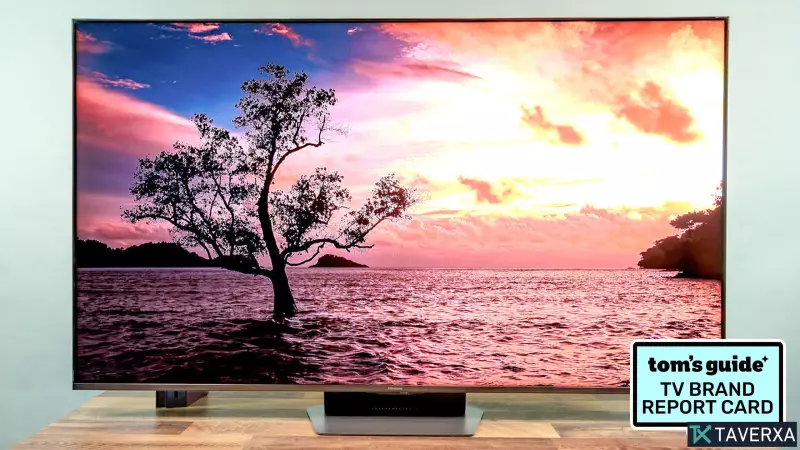
In the ever-evolving landscape of home entertainment, choosing a television is effectively choosing a long-term partner for your living room. While store-aisle demos can be misleading, the true test of a TV brand lies in the daily experience. As part of our comprehensive 2026 TV brand report card series, we are turning our focus toward Hisense to see how the company measures up in a competitive market.
Pricing: The Value Champion
Hisense has solidified its position as a go-to brand for budget-conscious consumers who refuse to compromise on hardware. By aggressively championing Mini-LED technology, they have turned what was once a premium feature into an accessible standard for the average household. The entry-level U6SF, for instance, offers Mini-LEDs and full-array local dimming at a price point that forces industry giants to rethink their own entry-level strategies. While brands like Sony and Samsung command higher premiums, Hisense remains the king of maximizing dollar value.
Design: Industrial Efficiency
If there is a trade-off for Hisense’s aggressive pricing, it often manifests in design. Hisense TVs typically favor a utilitarian, industrial aesthetic, often resulting in thicker, heavier panels compared to the svelte, minimalist designs found at LG or Samsung. For those seeking a "showpiece" television that blends seamlessly into a high-end interior, this might be a sticking point. However, for most users, this design philosophy is a welcome sacrifice—the budget is clearly being directed toward picture hardware rather than cosmetic flair.
Features and Connectivity
Hisense excels in its feature set, consistently including high-end capabilities such as Dolby Vision and HDR10+ support on models where competitors might force you to choose one. Furthermore, the brand has been a leader in standardizing HDMI 2.1 across its lineup, ensuring that entry-level buyers aren't missing out on next-gen gaming features. One minor point of contention for enthusiasts is the transition to USB-C DisplayPort on flagship models, which has met with mixed feedback.
Performance and Picture Quality
On paper, Hisense TVs are technical marvels, often exceeding their own marketing claims for brightness and color gamut. In practice, however, they occasionally struggle with the 'finer details'—upscaling, motion handling, and color gradients—where premium brands like Sony still hold an edge. That said, in bright, sunny living rooms, the sheer horsepower and brightness of a Hisense screen often result in a 'good enough' performance that punches well above its weight class.
Smart TV Ecosystem
Most Hisense models in 2026 utilize Google TV, which we find to be a balanced, user-friendly platform that avoids the cluttered, AI-saturated interfaces often seen elsewhere. While lower-end units may default to Amazon's Fire TV, the overall software experience is solid, keeping the user interface from detracting from the hardware.
Final Verdict: B
Hisense earns a solid 'B' in our 2026 report card. They are the masters of the 'savvy shortcut,' delivering high-performance hardware at prices that make the competition sweat. If you can overlook the lack of premium industrial design and minor processing polish, Hisense remains, without question, one of the best ways to get the most out of your budget.